
Family & Cosmetic Dental PLLC
- Home
- Our Practice
- Services
- Patient Information
- Blog
- Contact Us
Last Updated: October 14, 2026
A cracked tooth is a break or fracture in the hard outer structure of your tooth. It might be tiny, visible only under magnification, or large enough to see with the naked eye. Either way, ignoring it is a mistake that can lead to serious consequences.
At Family & Cosmetic Dental PLLC, we see patients regularly who waited too long to address a cracked tooth. What started as a small fracture became a major problem. The crack spread deeper. Bacteria invaded. Infection set in. What could have been a simple fix turned into a complex treatment.
The real danger isn't the crack itself. It's what happens after. A cracked tooth creates a pathway for bacteria to reach the inner pulp of your tooth, where the nerve lives. Once bacteria get inside, infection follows. An untreated infection can destroy the tooth and spread to surrounding bone and tissue.
This is why prompt dental care matters. The sooner you address a cracked tooth, the more treatment options you have. Wait too long, and extraction might be your only choice.
Not every cracked tooth hurts right away. Some cracks are painless at first. Others cause immediate discomfort. Here are the warning signs to watch for:
Pain when chewing or biting is one of the most common symptoms. The pain might come and go, or it might spike when you bite down on a specific spot. This happens because the crack allows the tooth to flex slightly when you chew, irritating the nerve inside.
Tooth sensitivity to hot or cold is another red flag. If your tooth suddenly feels sensitive to hot coffee or cold ice cream, a crack could be the cause.
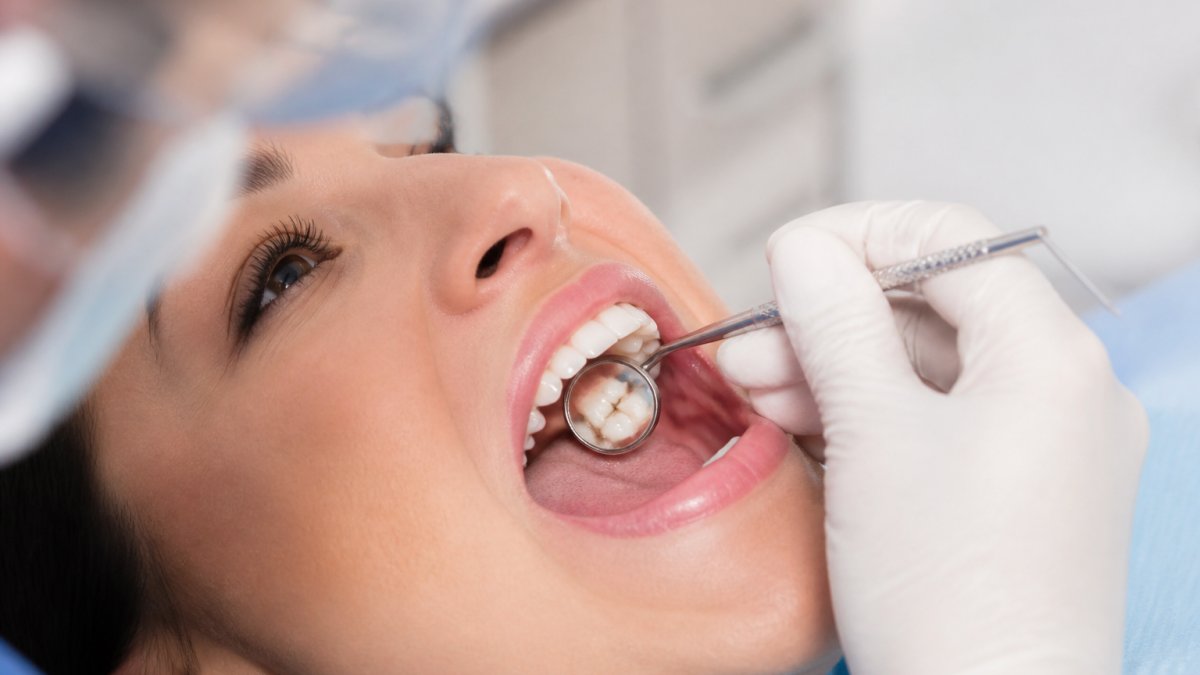
Lingering pain after eating or drinking something hot or cold suggests the nerve inside the tooth is already irritated. This pain might last for several minutes or even hours after the trigger is gone.
Jaw aches or headaches can sometimes point to a cracked tooth. When you have a cracked tooth, you might unconsciously chew differently or clench your jaw to avoid the painful area.
Visible swelling around the affected tooth or in your gums is a sign that infection may have started. Swelling means your body is fighting off bacteria. This is a more serious symptom and requires urgent attention.
Food debris trapped around the tooth happens because the crack creates a gap where food can lodge.
Not all of these symptoms will appear. You might have just one or two. The absence of pain does NOT mean the crack is harmless. Some cracks are silent until they've caused significant damage.
A crack doesn't stay the same size. It gets worse. Here's what happens if you ignore it:
The crack spreads deeper into the tooth. Every time you chew, you put pressure on the tooth. That pressure forces the crack deeper. Over weeks and months, a small surface crack can extend all the way to the root. The deeper it goes, the closer it gets to the nerve and blood vessels inside.
Bacteria find their way inside. Once the crack reaches the inner chamber of the tooth (called the pulp), bacteria can enter. Your mouth contains millions of bacteria. They live on food particles, plaque, and dead tissue.
Infection develops in the pulp. When bacteria colonize the pulp, your immune system fights back. This creates inflammation and infection. The pulp swells. Pressure builds inside the tooth. This pressure is what causes severe pain in an infected tooth.
The infection spreads to the root and surrounding bone. If the infection isn't treated, it doesn't stay contained in the tooth. It spreads down the root and into the jawbone.
Adjacent teeth can become affected. The infection from one tooth can spread to neighboring teeth. Bone loss around the cracked tooth can weaken the teeth next to it. What started as one problem can become multiple problems.
The tooth becomes unrepairable. If a crack extends too far, or if the tooth is severely infected, the tooth cannot be saved. Extraction becomes the only option.
This progression doesn't happen overnight. But it does happen. The longer you wait, the more damage accumulates.
This is a question with no single answer. Some cracked teeth can go months or even years without causing problems. Others cause trouble within weeks.
The timeline depends on the crack's depth and location. A surface crack that doesn't reach the dentin (the layer under the enamel) might never cause issues. A crack that extends into the dentin or pulp will progress faster.
It depends on how much stress you put on the tooth. If you chew primarily on the other side of your mouth, an untreated crack might stay stable longer.
It depends on your oral hygiene and diet. Good oral hygiene keeps bacterial levels lower. Poor oral hygiene means more bacteria are present to exploit the crack.
Some cracks are dormant until triggered. A crack might cause no pain for months. Then one day, you bite down on something hard, and suddenly pain erupts. The crack has progressed to the point where it's now irritating the nerve.
The safest assumption is this: don't wait. The moment you suspect a cracked tooth, schedule an appointment with your dentist. The longer you delay, the more options you lose and the more complex your treatment becomes.
If you suspect a cracked tooth, these steps can help manage the situation until you see a dentist:
Avoid chewing on the affected tooth. Chew on the opposite side of your mouth. This reduces stress on the crack and slows its progression. It also prevents sudden pain when you bite down.
Apply a temporary dental filling or cement. Over-the-counter temporary filling materials are available at pharmacies. These can seal the crack temporarily and reduce sensitivity. They are NOT a permanent fix.
Use fluoride mouthwash or gel (the CDC). Fluoride strengthens tooth enamel and can reduce sensitivity. Rinse with fluoride mouthwash twice daily, or apply fluoride gel to the affected area before bed.
Take over-the-counter pain relievers. Ibuprofen or acetaminophen can manage discomfort while you wait for your appointment. Follow the dosage instructions on the package.
Avoid hard, crunchy, or sticky foods. These foods put extra stress on a cracked tooth or can dislodge temporary repairs. Stick to soft foods like yogurt, soup, mashed potatoes, and smoothies.
Rinse with salt water. A warm salt water rinse can soothe inflamed gums and reduce bacterial growth. Mix half a teaspoon of salt in warm water and rinse several times daily.
Protect the tooth from temperature extremes. Avoid very hot or very cold foods and drinks. These trigger sensitivity and can cause sharp pain. Let hot drinks cool slightly before consuming them.
Get an appointment quickly. These are temporary measures. They help you manage pain and slow damage, but they don't fix the crack. Schedule a dental appointment as soon as possible.
Once you see a dentist, they'll examine the crack and recommend treatment based on its severity and location. Here's what you might expect:
Dental bonding is used for small, shallow cracks that don't reach the pulp. Your dentist applies a tooth-colored resin material to the crack, filling it and restoring the tooth's appearance. This procedure is quick, painless, and can often be completed in one visit.
A dental crown is recommended when the crack is larger or extends deeper but the tooth's nerve is still healthy. Your dentist removes the damaged portion of the tooth and covers it with a crown. This protects the tooth and restores its function. A crown typically requires two appointments: one to prepare the tooth and one to place the permanent crown.
Root canal therapy becomes necessary when the crack has allowed bacteria to infect the pulp. Your dentist removes the infected pulp tissue, cleans the inside of the tooth, and seals it. After a root canal, the tooth usually needs a crown to protect it. Root canal therapy has a reputation for being painful, but modern techniques make it manageable.
Tooth extraction is considered when the crack is too severe to repair, when the tooth is already heavily decayed, or when infection has spread beyond the tooth. After extraction, you'll need to discuss replacement options like dental implants, bridges, or dentures.
| Treatment | Best For | Typical Timeline | Complexity |
|---|---|---|---|
| Bonding | Small surface cracks | 1 visit | Simple |
| Crown | Moderate cracks, healthy pulp | 2-3 weeks | Moderate |
| Root canal | Infected or deep cracks | 1-2 visits | Complex |
| Extraction | Severe damage or infection | 1 visit | Varies |
Your dentist at Family & Cosmetic Dental PLLC will explain which option makes sense for your specific situation. The goal is always to save your natural tooth if possible, but sometimes extraction is the most practical choice.
Most cracked teeth aren't emergencies, but some situations require urgent attention:
Severe pain that doesn't improve with over-the-counter pain relievers needs immediate evaluation. This suggests the nerve is inflamed or infected.
Swelling in your face, jaw, or gums around the cracked tooth is a sign of infection.
Fever accompanying tooth pain and swelling suggests a serious infection. Fever means your body is fighting a systemic infection. This is a medical emergency. Seek care immediately.
Inability to chew or swallow comfortably. Severe pain that prevents normal eating or swallowing indicates a serious problem that shouldn't wait.
Visible pus or discharge from the affected tooth or gum is a sign of an active infection. This requires urgent dental care.
If you experience any of these symptoms, contact an emergency dentist or visit an urgent care facility. Don't wait for a regular appointment.
A cracked tooth is never something to ignore. What seems like a minor problem today can become a major one tomorrow. The crack spreads. Bacteria invade. Infection develops.
The solution is straightforward: see a dentist promptly. Early intervention preserves your natural tooth and keeps treatment simple. Family & Cosmetic Dental PLLC provides comprehensive, conservative, and compassionate dental care.
BOOK YOUR EXPERIENCE TODAY! Don't let a cracked tooth become an emergency. Call Family & Cosmetic Dental PLLC to schedule your examination and get back to a healthy smile.
A cracked tooth can go untreated for weeks or months, but the longer you wait, the higher the risk of complications. The crack may gradually spread deeper into the tooth structure, allowing bacteria to reach the pulp. Some people experience no immediate symptoms, which can create a false sense of safety. However, even a painless crack can worsen over time. Seeking prompt dental care prevents the crack from progressing and reduces the chance of infection, extraction, or costly root canal treatment.
Common symptoms include sharp pain when biting or chewing, sensitivity to hot or cold foods and drinks, and lingering discomfort after eating. Some people experience jaw aches or headaches related to the cracked tooth. Swelling around the gum line or a visible crack on the tooth surface are also warning signs. Not all cracked teeth cause immediate pain, so you may notice symptoms only when chewing on one side or when the crack exposes the inner layers of the tooth.
No, a cracked tooth cannot heal on its own. Unlike a broken bone, tooth structure does not regenerate or fuse back together naturally. Once a crack forms, it will either stay the same or worsen over time as you chew and the crack deepens. Bacteria can enter the crack and cause infection even if the tooth feels fine initially. Professional dental treatment is the only way to repair a cracked tooth and prevent complications like abscess, infection, or tooth loss.
Avoid chewing on the cracked tooth side and stick to soft foods. Over-the-counter pain relievers can help manage discomfort. Rinse your mouth with warm salt water several times a day to reduce inflammation and keep the area clean. Avoid very hot or cold foods and drinks, which can trigger sensitivity. If the crack is visible, try to avoid letting food or debris get trapped in it. Contact your dentist for an urgent appointment; do not wait for a routine checkup if you suspect a crack, especially if you experience severe pain or swelling.


