
Family & Cosmetic Dental PLLC
- Home
- Our Practice
- Services
- Patient Information
- Blog
- Contact Us
Last Updated: October 11, 2026
Pediatric dentistry is the specialized branch of dentistry focused on oral health care for infants, children, and adolescents through early adulthood. Pediatric dentists receive additional training beyond dental school to understand child development, behavior management, and the unique dental needs that emerge as teeth grow and change. This specialization matters because children's teeth follow a different timeline than adult teeth, requiring distinct approaches to prevention, treatment, and education.
At Family & Cosmetic Dental PLLC, we understand that a child's early dental experiences shape their lifelong relationship with oral health. When children receive compassionate, age-appropriate care from the start, they're far more likely to maintain healthy habits into adulthood.
Pediatric dentistry emphasizes preventive care: regular exams, cleanings, fluoride treatments, and sealants prevent cavities and decay. Pediatric dentists also manage complex issues like delayed baby tooth loss, misaligned permanent teeth, and dental anxiety.
Selecting the right pediatric dentist combines clinical expertise, a child-friendly environment, and responsive communication. Start by asking your primary care physician for referrals.
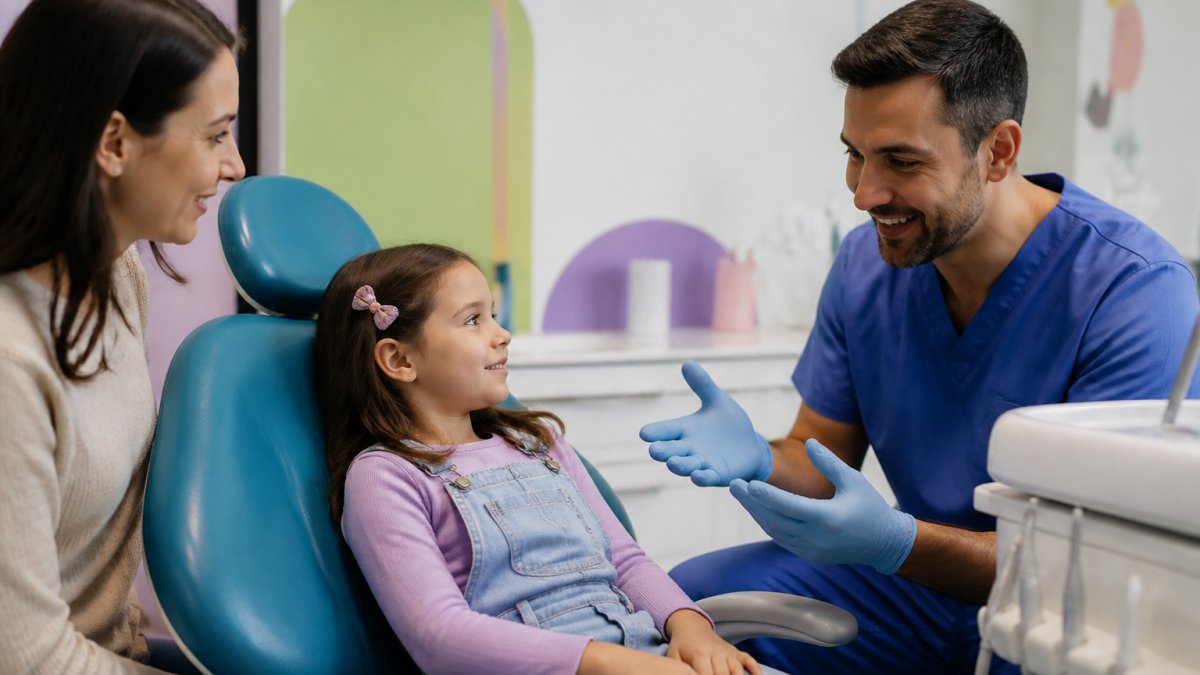
Choose a practice specializing in pediatric dentistry with child-sized equipment, engaging décor, and staff trained in behavior guidance. When scheduling, assess whether the team takes time to explain their approach and asks about your child's specific needs and anxieties.
The best pediatric dentist explains procedures in age-appropriate language, involves parents in treatment planning, and respects emotional needs. Ask about their approach to dental anxiety, distraction techniques, sedation options, or other methods. Family & Cosmetic Dental PLLC prioritizes a stress-free experience tailored to each child.
Ask whether the practice accepts your insurance and what happens when coverage reaches its annual limit. Practices offering flexible payment options, in-house savings plans, or third-party financing make care more accessible and reduce financial stress.
Ask about the dentist's experience with your child's specific concerns, whether that's severe dental anxiety, special healthcare needs, or a history of cavities. A practice that has successfully worked with similar cases gives you confidence they can handle yours.
The first dental visit sets the tone for your child's lifelong relationship with dental care. Most pediatric offices schedule 45 minutes to an hour for a thorough exam, cleaning, and parent conversation.
The dentist examines all teeth, checks for cavities, evaluates alignment, and examines gums and soft tissues. For nervous children, the dentist uses simple language like "I'm going to count your teeth" to help them feel in control.
A professional cleaning removes plaque and tartar with a soft brush and suction tool. Fluoride is then applied as a gel, foam, or varnish to strengthen enamel and prevent cavities.
The dental team gathers information about your child's oral hygiene, diet, and concerns. Use this time to ask about brushing techniques, mouthwash, or loose teeth management.
Start conversations about the dentist weeks in advance using simple, positive language. Instead of "It won't hurt," say "The dentist is going to check your teeth to make sure they're strong and healthy."
Read age-appropriate books or watch child-friendly videos about dental visits. Familiarity reduces fear.
Role-play the dental visit at home, taking turns as dentist and patient. This playful approach helps children feel more in control.
On appointment day, maintain a calm, matter-of-fact attitude, children pick up on parental anxiety. Keep the morning routine normal and arrive a few minutes early so your child can acclimate without feeling rushed.
During the visit, let the dental team lead. Sit where your child can see you but focus on the dentist, not the parent. Avoid excessive coaching, which can increase anxiety.
Dental insurance for children often differs from adult coverage, and understanding these differences helps you plan financially and avoid surprise bills. Most dental insurance plans cover preventive care, exams, cleanings, and fluoride treatments, at 100 percent with no copay. This is true whether your child is covered under your individual plan or through an employer-sponsored family plan.
Coverage for more complex procedures typically follows a tiered structure. Basic restorative work like fillings is usually covered at 70 to 80 percent after you meet a deductible. Major procedures, extractions, orthodontics, or advanced treatment, may be covered at 50 percent or require prior authorization. Annual maximum benefits cap the total amount your insurance will pay in a calendar year, often between $1,000 and $2,000 for children.
If your child needs treatment that exceeds your insurance maximum, you'll be responsible for the remaining cost out of pocket. This is where flexible payment options become crucial. Ask your dentist about in-house savings plans, payment plans with no interest, or third-party financing programs. These options make ongoing care affordable even when insurance reaches its limit.
Some families choose to forgo dental insurance and instead use a dental savings plan, a membership program that offers discounted rates on services. Compare the costs: your annual insurance premium plus copays and deductibles versus the membership fee and discounted service rates. For families with minimal dental needs, a savings plan might be more economical.
Document your child's dental care and insurance claims carefully. Keep records of what procedures were done, what your insurance paid, and what you paid out of pocket. This helps you track your annual maximum and plan for future expenses. If a claim is denied, ask your dentist's office to help appeal it, sometimes claims are rejected due to coding errors rather than coverage issues.
Dental emergencies happen. A child might fall and crack a tooth, experience sudden severe pain from an abscess, or knock out a tooth entirely. Knowing how to respond calmly and quickly makes a real difference in the outcome. Keep your pediatric dentist's emergency contact information easily accessible, on your phone, your refrigerator, or both.
For a knocked-out tooth, time is critical. If the tooth is permanent (not a baby tooth), find it, rinse it gently with water without scrubbing, and try to place it back in the socket. If that's not possible, store the tooth in milk or a saline solution and get to the dentist immediately. Baby teeth that are knocked out usually cannot be replanted, but you should still see a dentist to ensure no other damage occurred.
A cracked or chipped tooth needs evaluation even if it doesn't hurt. Small chips are often cosmetic, but larger cracks can expose the nerve and cause pain or infection. Rinse with warm water, apply a cold compress to reduce swelling, and call your dentist for an urgent appointment. Avoid chewing on the injured side.
Severe tooth pain often signals infection or decay reaching the nerve. This warrants immediate attention. Have your child rinse with warm salt water, give an over-the-counter pain reliever appropriate for their age and weight, and call your dentist. Many pediatric practices reserve urgent appointment slots for emergencies like this.
Swelling in the face or jaw, fever, or difficulty swallowing alongside tooth pain suggests a more serious infection. These are signs to seek care at an urgent care clinic or emergency room if your dentist is unavailable. Dental infections can spread and become dangerous if left untreated.
The habits children develop in their early years often persist into adulthood. Your role as a parent is to model good oral hygiene and make it a normal part of daily life. Start brushing your child's teeth as soon as the first tooth erupts, even before they can brush themselves.
Around age two, your child can start learning to brush with your help and supervision. Make it playful. Brush together, sing a song to time the two minutes, or let them pick a toothbrush with their favorite character. The goal is consistency and positive association, not perfection.
Flossing becomes important once teeth touch each other, usually around age three or four. Water flossers designed for children can be easier and more fun than traditional floss. The key is establishing the habit, not the method.
Diet significantly impacts dental health. Limit sugary drinks and snacks between meals. When your child does have treats, offer them at mealtime rather than throughout the day, this reduces the time teeth are exposed to cavity-causing acids. Water is the best drink for teeth. Milk and unsweetened water are good choices too.
Regular dental visits reinforce these habits. When your child sees the dentist twice a year and hears directly from a professional about the importance of brushing and flossing, they internalize the message.
As children grow into teenagers, independence in oral care increases. Continue to supervise and encourage, but gradually shift responsibility to them. A teenager who has established strong habits and understands why they matter is far more likely to maintain them into adulthood.
Choosing the right pediatric dentist and staying engaged with your child's oral health sets the foundation for a lifetime of healthy teeth and gums. We accept a wide variety of PPO insurance plans, offer flexible payment options, and prioritize creating a stress-free dental experience for every child who walks through our door. The American Academy of Pediatric Dentistry recommends that children have their first dental visit by age one or within six months of their first tooth erupting.
| Preparation Step | Timing | Impact |
|---|---|---|
| Read books or watch videos about dental visits | 2-3 weeks before | Builds familiarity and reduces fear |
| Role-play a dental visit at home | 1-2 weeks before | Increases sense of control |
| Tour the dental office if available | A few days before | Removes mystery from the environment |
| Maintain calm, positive attitude | Day of appointment | Models confidence for your child |
| Allow the dentist to lead during the visit | During appointment | Builds independence and trust |
American Dental Association guidance on children's oral health emphasizes that primary teeth are just as important as permanent teeth, they help children chew, speak, and smile while holding space for adult teeth to come in properly. Neglecting primary teeth can lead to complications when permanent teeth erupt.
CDC recommendations on fluoride for children support the use of fluoride toothpaste and professional fluoride treatments as safe and effective ways to prevent cavities in children and adolescents.
The American Academy of Pediatric Dentistry recommends scheduling your child's first dental visit around age one or within six months of the first tooth erupting. Early visits help establish good oral habits, allow the dentist to monitor tooth development, and let your child become comfortable in a dental environment before any treatment might be needed.
Start by reading age-appropriate books about dental visits or watching short videos together. Use positive language and avoid words like "pain" or "shot." Visit the office beforehand if possible so the environment feels familiar. On the day of the appointment, keep your own anxiety calm, children pick up on parent stress. Many pediatric dentists are trained in anxiety management techniques and can work at your child's pace.
Most dental insurance plans cover preventive care like cleanings and exams at 100% with no copay, making regular checkups affordable. Coverage for other treatments like fillings or orthodontics varies by plan. Review your specific policy details, and ask your dentist's office to verify coverage before treatment. If you don't have insurance, ask about in-house savings plans or payment options.
For knocked-out teeth, save the tooth in milk if possible and see a dentist immediately. For severe pain, swelling, or broken teeth, contact your pediatric dentist right away, many offer same-day emergency appointments. For minor chips or sensitivity, schedule an appointment within a few days. Keeping your dentist's emergency contact information readily available helps you respond quickly when an accident happens.


