
Family & Cosmetic Dental PLLC
- Home
- Our Practice
- Services
- Patient Information
- Blog
- Contact Us
Last Updated: October 17, 2026
A dental emergency isn't always obvious. Knowing which symptoms demand immediate care can save you pain, money, and complications.
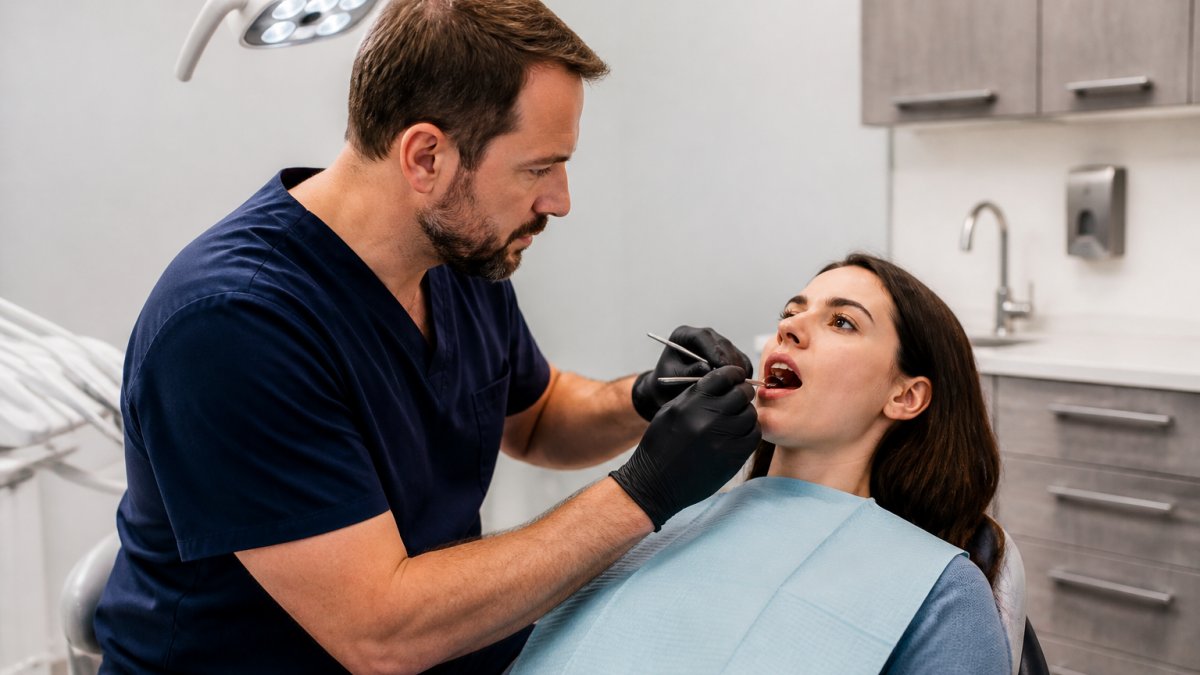
At Family & Cosmetic Dental PLLC, we help patients recognize which symptoms demand immediate attention and which can wait for a regular appointment.
If you've lost a tooth to injury, time matters, the sooner you reach an emergency dentist, the better the odds of saving it.
Other urgent situations include a cracked or broken tooth causing sharp pain, a lost filling or crown exposing the inner tooth, and difficulty swallowing or opening your mouth.
Not every dental problem is an emergency, even if it's uncomfortable.
Symptoms that need prompt attention but not necessarily emergency care:
Symptoms that can wait for a regular appointment:
Ask yourself: is this causing severe pain, affecting your ability to eat or sleep, or showing signs of infection? If yes, it's likely an emergency. If it's uncomfortable but manageable, you probably have time for a regular appointment.
Emergency dental work costs more than routine care, but the gap is smaller than most people fear, and far more predictable than the bill for ignoring the problem. Fees vary by practice, region, and case complexity.
The first charge on almost every emergency visit is the emergency exam, a limited, problem-focused evaluation, not a full new-patient exam.
Ask one question on the phone before you go: does the exam fee get credited toward treatment if you proceed the same day? Many practices apply it to the procedure, effectively making the exam free; others do not.
Most emergency visits include at least one X-ray.
Some offices bundle the first X-ray into the exam fee; others itemize it. Ask whether imaging is included and whether more will be needed, a second round of X-rays mid-visit is a common source of bill surprise.
The definitive treatment is where the real money is, and where the range is widest. The table below gives typical cash-pay planning ranges before insurance; your quote depends on the tooth, the damage, and local rates.
| Emergency treatment | Typical planning range (cash pay) |
|---|---|
| Temporary filling or sedative filling | $50 - $150 |
| Permanent filling (one surface) | $150 - $300 |
| Permanent filling (multi-surface or build-up) | $250 - $500 |
| Root canal, front tooth | $500 - $1,000 |
| Root canal, molar | $800 - $1,500 |
| Simple extraction | $150 - $350 |
| Surgical extraction (impacted or broken below gumline) | $300 - $650 |
| Emergency crown (same-day or temporary plus final) | $800 - $2,000+ |
| Abscess drainage / incision and drainage | $150 - $500, often plus the cost of the definitive fix |
| Re-cementing a crown or bridge | $75 - $200 |
| Splinting a loosened or displaced tooth | $200 - $500 |
Your dentist should give you an itemized written estimate before starting treatment, showing exactly what is charged for the exam, imaging, anesthesia, procedure, and follow-up.
After-hours emergency dental care costs more, usually under one of two structures: a flat after-hours surcharge or a higher all-in emergency fee where the premium is baked into the exam price.
Ask which structure the practice uses, and compare the total for the exam plus likely treatment, not just the exam fee: a $75 exam with a $150 after-hours surcharge costs more than a $150 all-in emergency fee.
The exam, imaging, and procedure are rarely the whole bill. Common add-ons:
That last point catches people. An emergency visit ending in a temporary filling is not the cost of solving the problem, it is the cost of stopping the pain today. Budget for the definitive treatment separately.
Without insurance, you pay the full cost out of pocket.
Family & Cosmetic Dental PLLC accepts a wide variety of PPO insurance plans and offers flexible financial options for patients without coverage.
Ask about payment plans before treatment begins. Many offices offer interest-free in-house plans or partner with third-party financing companies for larger procedures.
Most dental insurance plans cover emergency dental treatment, but the details matter.
PPO plans typically cover emergency dental care at a higher percentage than cosmetic work: most cover preventative care, basic procedures like fillings, and major work like root canals.
Emergency treatment falls into these existing categories, a root canal done in an emergency is covered the same as a planned one.
However, many plans have annual maximums, if you've used your benefit for the year, you may have no coverage left.
Even with insurance, you'll have out-of-pocket costs. Most plans require a deductible before coverage kicks in, then you pay a percentage of the cost.
If you haven't used your deductible yet, you'll pay that before insurance starts covering anything.
Some emergency dental offices waive or reduce deductibles for uninsured patients as a courtesy. It's always worth asking.
Emergency care carries higher costs for several reasons.
First, emergency appointments require staff availability outside normal hours.
Second, emergency treatment often requires more complex work.
Third, emergency appointments are less efficient.
Finally, emergency dental care sometimes requires specialized equipment or materials on hand. Keeping expensive equipment ready for emergencies adds to overhead costs.
If cost is keeping you from getting emergency dental treatment, payment plans can make care accessible.
Many dental practices offer their own payment plans, letting you pay your bill in installments over several months.
In-house plans are straightforward: you work directly with your dental office on payment terms, with no third-party application process.
Family & Cosmetic Dental PLLC offers flexible financial options designed to make emergency and routine care affordable for families.
Third-party financing companies specialize in healthcare payments and often approve patients quickly, sometimes within minutes.
Dental savings plans are different from insurance. Instead of coverage percentages, you pay an annual membership fee and receive discounts on dental services.
Some savings plans offer discounts on emergency dental procedures. The discount varies by procedure and plan.
"Is emergency dental work worth the cost" is not a question about today's bill, it is a question about whether today's bill is smaller than the bill you will face if you wait. In most cases it is: dental problems almost never stay the same size, and each step along the progression costs more than the one before it.
Scenario 1: A cavity that is caught early versus one that reaches the nerve.
A small cavity found at a routine visit is typically a one-surface filling.
Scenario 2: A cracked tooth that is treated versus one that splits.
Scenario 3: An abscess that is drained versus one that spreads.
Waiting also has real costs that are easy to overlook:
There are situations where waiting for a regular appointment is genuinely reasonable:
The test is not "does it hurt" but "is it getting worse, and is there any sign of infection?" Stable and mild can usually wait. Progressive, swelling, fever, or trauma cannot.
Run through these questions in order. The first "yes" tells you what to do.
Emergency dental work is worth the cost when the alternative is a more complex, more expensive, and more painful problem later. The math is not close in most cases: a filling today versus a root canal and crown in a few months, or a drainage procedure today versus a hospital visit later.
Before agreeing to emergency dental treatment, ask your dentist these questions to understand your options and costs.
Ask about the diagnosis:
Ask about treatment options:
Ask about costs:
Ask about timing:
Ask about follow-up:
Emergency dental work is worth the cost when it prevents more serious problems, relieves severe pain, and protects your overall health. At Family & Cosmetic Dental PLLC, we help patients understand their options and find affordable solutions for emergency care.
Seek emergency dental care immediately if you have severe pain that interferes with eating or sleeping, visible swelling in your face or jaw, a knocked-out tooth, a broken tooth with sharp edges, signs of infection (fever, swollen glands, difficulty swallowing), or a lost filling or crown causing pain. Urgent but non-emergency issues include mild toothache, slight sensitivity, or minor chips. When in doubt, contact an emergency dentist to assess whether your situation requires immediate treatment or can wait for a routine appointment.
Emergency dental work typically costs more due to after-hours fees, weekend or holiday premiums, diagnostic imaging, and the complexity of treating acute conditions. A routine exam might cost far less than an emergency consultation with the same treatment. For specific pricing on emergency dental care, contact your dentist directly for a cost estimate. Many practices offer payment plans to help manage the higher expense of emergency treatment.
Most dental insurance plans cover emergency dental work, but coverage varies by plan. Many PPO plans cover emergency exams and treatment after you meet your deductible. However, if you've already used your annual maximum, you may pay out-of-pocket for additional treatment. Review your policy documents or call your insurance provider to confirm what's covered. If you're uninsured, ask your dentist about emergency dentist payment plans and in-house financing options to make care more affordable.
Yes. A minor toothache treated early might need only a filling, while the same tooth delayed can develop an infection requiring root canal therapy or extraction, costing significantly more. Infections can spread, potentially requiring hospitalization in severe cases. Beyond financial cost, delaying treatment risks permanent tooth loss, bone damage, and complications affecting your overall health. Treating dental emergencies promptly typically costs less and prevents costlier complications down the road.


