
Family & Cosmetic Dental PLLC
- Home
- Our Practice
- Services
- Patient Information
- Blog
- Contact Us
Last Updated: October 19, 2026
A chipped front tooth can feel like a crisis, but most chips are manageable with quick action and proper care.
What you do in the first few minutes can affect your treatment options later. At Family & Cosmetic Dental PLLC, we help patients navigate this every week.
Start by looking at what happened. Is the chip small (a flake of enamel) or large (a significant piece missing)? Can you see yellow dentin underneath the white enamel?
If your gum is bleeding, rinse gently with cool water. Do NOT scrub the area. Bleeding usually stops on its own within a few minutes.
Look for the broken piece and save it. Wrap it in a clean cloth and place it in a cup of milk or saliva. The fragment might be reattachable, the fastest way to restore your tooth.
Once bleeding is controlled, protect the damaged edge. Run your tongue over the chip carefully; if it's rough and sharp, cover it temporarily.
Press a small amount of dental wax over the sharp edge; sugar-free gum works as a temporary barrier if you don't have wax.
For pain, take an over-the-counter pain reliever like ibuprofen or acetaminophen. If the tooth is temperature-sensitive, stick to room-temperature soft foods.
Swelling is rare unless you've also injured your gum or lip. If you notice swelling, apply a cold compress to the outside of your cheek for 15 minutes at a time.
Not every chipped tooth needs emergency treatment, but knowing the difference helps you decide whether to call today or wait.
Seek same-day or emergency care if:
You can wait for a regular appointment if:
Most chips fall into the "can wait" category. If you're uncertain, call your dentist. At Family & Cosmetic Dental PLLC, we offer flexible scheduling.
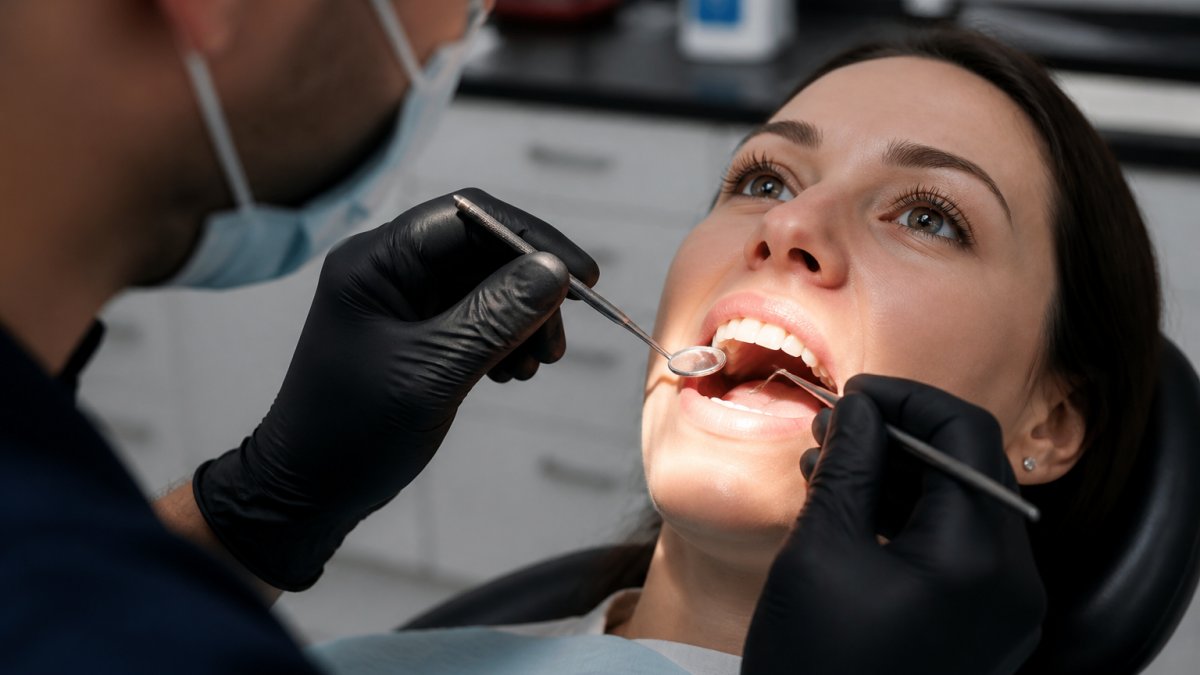
When you arrive, your dentist will examine the chip carefully to determine which repair option makes sense.
Using a small mirror and explorer tool, your dentist checks the size and depth of the chip, whether it reaches the dentin or pulp (the nerve), and whether decay is present.
Most dentists take an X-ray to see inside the tooth. This shows whether the nerve is affected and helps rule out other damage you can't see from the outside.
Your dentist will also ask how the chip happened, since that history reveals whether other teeth are at risk or your bite needs adjustment.
Once your dentist understands the damage, they'll discuss repair options with you. The best choice depends on the size of the chip, the location, and your goals for appearance and durability.
Composite resin bonding is the most common repair for small to medium chips: fast, affordable, and natural-looking when done well.
Your dentist cleans the area and applies an etching gel to roughen the surface, then applies tooth-colored composite resin in layers, shaping it to match your tooth.
The process takes 30-60 minutes, and you can eat and drink normally right after, with no recovery time.
Composite bonding works best for chips that don't involve more than one-third of the tooth's width. It's also ideal if you want a fast, affordable option. The repair is durable for many years with proper care.
If the chip is large or if multiple areas of the tooth are damaged, your dentist might recommend a veneer or crown.
A veneer is a thin, custom-made shell of porcelain or composite covering the front of your tooth. Veneers look extremely natural and are very durable, but they require removing a small amount of tooth structure, making them more invasive than bonding.
A crown covers the entire tooth. Your dentist uses it when the chip is very large, when the tooth has a history of problems, or when the tooth needs extra strength.
If you saved the broken piece and it's in good condition, your dentist may be able to reattach it, often the fastest and most natural-looking option.
Your dentist cleans both the broken edge and the fragment, applies a bonding agent, and cements the fragment back into place, hardening it with a blue light. This works best if the fragment is large and the break is clean.
Fragment reattachment usually lasts many years, though the reattached area is slightly weaker than the original tooth. If the fragment breaks again, composite bonding can repair it.
Composite bonding is the most straightforward repair for most chipped front teeth. Here's what to expect.
Dental bonding uses a tooth-colored resin that chemically bonds to the tooth structure, creating a strong, durable repair.
The resin comes in many shades, and your dentist will test the shade in your mouth under natural light to match your front teeth exactly.
Your dentist then applies the resin in thin layers, hardening each with a curing light, building and shaping the repair precisely. The final result is smoothed and polished to look and feel like a natural tooth.
The procedure is generally comfortable because the chip is usually on enamel only, which has no nerves.
The dentist isolates the tooth with a rubber dam or cotton rolls, since moisture interferes with bonding. You might feel water spray or suction, but it's not uncomfortable.
The bonding takes 30-60 minutes, with no drilling or removal of healthy tooth structure (unlike crowns or veneers). The dentist works only on the chipped area.
When the repair is done, your dentist will check your bite. They want to make sure your teeth come together normally when you close your mouth.
Composite bonding is durable, but it's not permanent. Understanding how long it lasts and how to care for it helps you get the most out of your repair.
Composite resin bonding typically lasts 5-10 years with good care, though small repairs outside high-stress areas can last longer.
Several factors affect how long bonding lasts:
When bonding wears out, it's easy to repair: your dentist can usually add material or redo the repair without removing the old bonding unless it's damaged.
After your bonding is placed, take steps to protect it. Avoid chewing on hard objects like ice, hard candy, or nuts. Be gentle when you bite into tough foods like apples or raw carrots. Cut them into smaller pieces instead.
If you grind your teeth at night, ask your dentist about a night guard. This protects both your natural teeth and any bonding repairs.
Brush twice a day with a soft-bristled toothbrush and fluoride toothpaste. Floss daily, being gentle around the repair. Avoid abrasive whitening toothpastes, which can scratch the bonding material.
While you're waiting for your dental appointment, you need to protect the chipped tooth from further damage and keep yourself comfortable.
Protect the tooth:
Manage sensitivity:
Keep the area clean:
Maintain your appearance:
A chipped front tooth doesn't have to stay that way. Whether your chip is small or large, cosmetic bonding, fragment reattachment, or a veneer can restore your smile.
At Family & Cosmetic Dental PLLC, we specialize in restoring chipped and broken teeth with conservative, state-of-the-art techniques. Our team takes time to understand your goals and explain your options clearly. We offer flexible scheduling and work with most insurance plans to make treatment affordable.
Rinse your mouth with warm salt water to remove debris and control bleeding. If you have the broken fragment, place it in milk or a tooth-preservation solution if available. Apply a cold compress to your cheek for 10-15 minutes to reduce swelling. Avoid chewing on the damaged tooth and contact a dentist as soon as possible. If you experience severe pain, swelling, or bleeding that won't stop, seek emergency care.
Treatment depends on chip size and tooth condition. Minor chips often respond well to composite resin bonding, a tooth-colored filling applied directly to restore shape. Larger chips may require veneers or crowns for durability and appearance. If you saved the broken fragment, your dentist may be able to reattach it with dental cement. Severe damage affecting the nerve may require root canal treatment first. Your dentist will recommend the best option during your examination.
Composite bonding typically lasts 5-10 years with proper care, though it may wear sooner depending on your bite and habits. Avoid chewing ice, hard candy, or your nails, and maintain good oral hygiene. Your dentist may recommend touch-ups or replacement over time. Discuss longevity expectations during your consultation to plan for future maintenance.
A chipped front tooth cannot heal itself because tooth enamel and dentin do not regenerate. The damage will not close or fill in naturally. Without repair, the exposed area may accumulate bacteria, leading to decay, sensitivity, or infection. Even small chips can progress if left untreated. Professional repair protects your tooth structure and prevents complications. Contact a dentist promptly to prevent further damage and restore function and appearance.


