
Family & Cosmetic Dental PLLC
- Home
- Our Practice
- Services
- Patient Information
- Blog
- Contact Us
Last Updated: October 6, 2026
A dental bridge typically lasts between 5 and 15 years, though some well-maintained bridges can function for 20 years or longer. The actual lifespan depends heavily on the type of bridge, the materials used, your oral hygiene habits, and how well you care for the supporting teeth. A bridge isn't a permanent solution; it's a durable restoration that requires commitment to maintain.
The longevity of your bridge hinges on factors you can control and factors you cannot. Your daily care routine, diet choices, and regular dental visits make a measurable difference in how long your bridge will serve you. Some patients get a decade of reliable function, while others see their bridge fail within five years. Understanding what influences that timeline helps you make informed decisions about your restoration.
Different bridge designs have different expected lifespans. A traditional bridge, which uses crowns on adjacent teeth to support a pontic (the replacement tooth), typically lasts 5 to 15 years. These bridges rely on the health and strength of the supporting abutment teeth, so their longevity is tied directly to how well those teeth hold up under the extra load.
A cantilever bridge, which anchors to teeth on only one side, tends to have a shorter lifespan, often 5 to 10 years. The uneven force distribution puts more stress on the supporting teeth, which can lead to earlier failure. A Maryland bridge (also called a resin-bonded bridge) is less invasive because it doesn't require crowning the adjacent teeth. These bridges typically last 5 to 7 years, making them one of the shortest-lived options, though they're a good choice if you want to preserve more of your natural tooth structure.
An implant-supported bridge is anchored to dental implants rather than natural teeth. Because implants fuse with the jawbone and don't decay, these bridges often last 10 to 15 years or longer, sometimes matching the lifespan of the implants themselves, which can last 25 years or more. This makes them the longest-lasting option, though they require a larger initial investment and surgical placement.
Several factors determine whether your bridge reaches the 5-year mark or lasts closer to 15 years. Understanding these helps you take control of your restoration's future.
Oral hygiene quality is the single biggest factor under your control. Plaque and tartar buildup around the bridge and supporting teeth accelerate decay and gum disease. Patients who brush twice daily, floss under the bridge, and attend regular cleanings see significantly longer bridge lifespans.
The health of your supporting teeth matters enormously. If the abutment teeth (the teeth holding up your bridge) have existing fillings, root canals, or weakened structure, they're more likely to fail under the extra load. Healthy, strong teeth can support a bridge for 15 years.
Bite forces and chewing habits affect how quickly your bridge wears. If you grind your teeth at night, chew ice, or bite down on hard objects, your bridge faces extra stress.
The bridge material influences durability. Porcelain and ceramic bridges are strong and tooth-colored but can chip or crack under impact. Metal-based bridges (often gold or titanium) are more durable but less aesthetically pleasing. Composite bridges are less durable than porcelain but less expensive.
Gum health directly impacts how long your bridge lasts. Gum disease weakens the supporting teeth and can cause the bridge to loosen. Patients with healthy gums see better outcomes. Gum disease can reduce your bridge's lifespan from 15 years to 5 years or less.
Yes, teeth can decay under a dental bridge, and this is one of the primary reasons bridges fail. The area beneath the pontic (the artificial tooth) and around the supporting teeth creates pockets where food and bacteria can accumulate. Even with careful brushing, plaque can build up in spaces you can't reach.
The supporting abutment teeth are particularly vulnerable. They're still natural teeth, and they can develop decay at the margins where the bridge crown meets the tooth. Once decay starts, it can spread quickly because you can't see it, the bridge covers the problem until significant damage has occurred. By the time decay is discovered, the tooth structure may be compromised enough to require extraction.
Food trapping under the bridge is common. Sticky or hard foods can lodge in the gap between the bridge and your gum tissue. If you don't remove it promptly, bacteria colonize the area and produce acid that attacks tooth enamel. This is why flossing under the bridge every day is essential, not optional.
The cement holding the bridge to your teeth can also deteriorate over time, creating gaps where bacteria enter. Water and saliva can seep beneath the bridge, exposing the underlying tooth structure to decay. Regular dental checkups help catch this early, before serious damage occurs.
Your daily habits determine whether your bridge lasts 5 years or 15 years. Small changes in your routine can add years to your bridge's lifespan.
Floss under the bridge daily. Use a floss threader, a small plastic tool that guides floss under the bridge where your toothbrush can't reach.
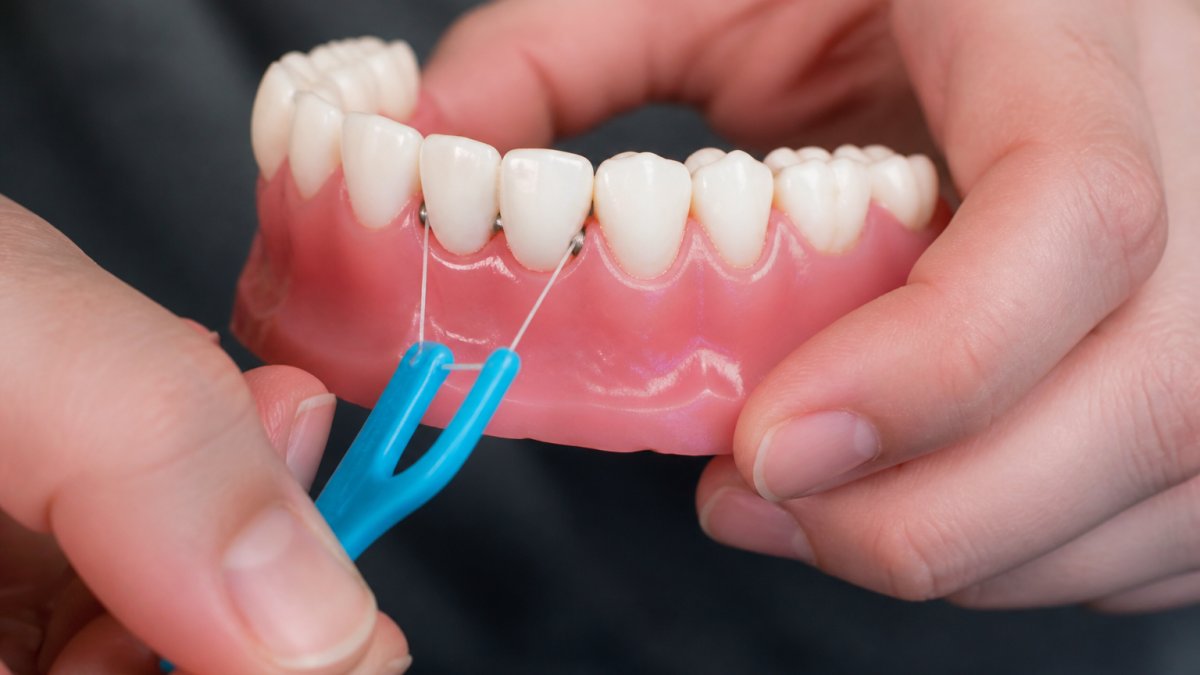
Brush gently around the bridge. Use a soft-bristled toothbrush and gentle circular motions. Aggressive brushing can damage the gum tissue around the bridge and accelerate recession.
Avoid hard, sticky, and extremely hot foods. Chewing hard candy, ice, or nuts puts stress on the bridge and supporting teeth. Sticky foods like caramel or taffy can dislodge the bridge or trap food underneath.
Wear a night guard if you grind your teeth. Bruxism (teeth grinding) creates enormous force on your bridge. A custom night guard distributes that force more evenly and protects both your bridge and natural teeth.
Attend dental checkups every six months. Regular exams catch problems early, decay under the bridge, gum disease, or cement deterioration. Early intervention prevents small issues from becoming bridge-ending problems.
Maintain excellent gum health. Gum disease is the silent killer of dental bridges. Brush and floss daily, use an antimicrobial rinse if recommended by your dentist, and address any bleeding or swelling immediately.
Knowing when to replace your bridge prevents complications and protects your remaining natural teeth. Watch for these warning signs.
Visible damage or chips on the bridge material are a clear signal that replacement may be needed soon. Small chips can sometimes be repaired, but large ones compromise the bridge's integrity and appearance.
A loose or shifting bridge means the cement seal has failed or the supporting teeth have shifted. You might notice movement when you chew or feel the bridge move slightly when you touch it.
Pain or discomfort around the bridge or supporting teeth suggests decay, gum disease, or a structural problem. Don't ignore pain, it's your mouth's way of signaling that something is wrong.
Gum recession or swelling around the bridge indicates gum disease or an ill-fitting bridge. Receding gums expose the root surfaces of supporting teeth, which are softer than enamel and decay more quickly.
Food constantly trapping under the bridge despite good flossing habits means the bridge no longer fits properly. As your jaw changes shape over time, bridges can shift slightly, creating larger gaps.
Sensitivity to temperature in the supporting teeth or around the bridge margins suggests decay or exposed root surfaces. This sensitivity often worsens over time if left untreated.
A visible gap between the bridge and your gum line means the cement seal has deteriorated. You might even see the edge of the crown or the line where the bridge meets your tooth.
Not every problem with your bridge requires replacement. Some issues can be repaired, saving you time and money. Understanding the difference helps you make the right decision.
Bridge repairs are possible when the damage is localized and the supporting teeth are still healthy. A chipped corner of the pontic can sometimes be smoothed or bonded.
The cost of repair is significantly lower than replacement, and the procedure is faster. A repair might take one appointment, while a replacement requires multiple visits. If your bridge is otherwise healthy and the supporting teeth are strong, repair is usually the better choice.
Bridge replacement becomes necessary when the supporting teeth have decayed significantly, when the bridge material is extensively damaged, or when the bridge has shifted so much that it can't be properly reseated. If decay has compromised the structure of an abutment tooth, extraction and a new bridge (or implant) may be required.
Replacement also makes sense if your bridge is approaching the end of its expected lifespan and showing multiple signs of wear. Replacing a 12-year-old bridge that's beginning to fail prevents emergency situations and gives you a fresh start with modern materials and techniques.
The decision between repair and replacement depends on the extent of damage, the health of supporting teeth, and how much longer you want the bridge to last. Your dentist will evaluate your specific situation and recommend the option that gives you the best long-term outcome.
A dental bridge can last anywhere from 5 to 15 years or longer, depending on the type of bridge, the materials used, and how well you care for it. The difference between a bridge that fails in 5 years and one that lasts 15 years often comes down to daily habits, flossing under the bridge, maintaining gum health, protecting your bridge from excessive force, and attending regular dental checkups.
Your bridge is only as strong as the teeth supporting it. Investing in excellent oral hygiene and preventative care pays dividends in bridge longevity. Watch for warning signs like looseness, pain, gum recession, or visible damage, and address them quickly before they become serious problems.
If you're considering a dental bridge or want to extend the life of your current restoration, Family & Cosmetic Dental PLLC can help. We provide thorough evaluations, personalized care plans, and compassionate treatment to help your bridge last as long as possible. Our team focuses on conservative and compassionate care approaches that protect your natural teeth and keep your smile healthy for years to come. Schedule your consultation with Family & Cosmetic Dental PLLC and discover how we can help you maintain optimal dental health with flexible payment options and comprehensive care designed for your comfort and budget.
A dental bridge usually lasts between 5 and 15 years, though some can last longer with excellent care. The exact lifespan depends on the bridge type, materials used, your oral hygiene habits, and how well the supporting teeth remain healthy. Regular dental checkups help catch problems early and extend your bridge's life.
Yes, decay can develop under a bridge if food and bacteria accumulate beneath it. The supporting teeth (abutment teeth) are particularly vulnerable because they're harder to clean around the bridge. This is why daily flossing under the bridge and thorough brushing are essential. If decay develops on the abutment teeth, the bridge's stability is compromised and replacement may be needed.
Repair addresses minor damage like a chipped pontic or loose cement, and the bridge stays in place. Replacement becomes necessary when decay affects abutment teeth, the bridge is severely damaged, or it no longer fits properly. Your dentist will evaluate whether repair is viable or if a new bridge is the better solution for your long-term oral health.
Traditional bridges and cantilever bridges typically last 5-10 years because they rely on adjacent teeth for support. Maryland bridges often last 5-7 years due to the smaller resin wings. Implant-supported bridges tend to last 10-15 years or longer because they don't depend on natural teeth for stability. Material choice also matters.


