
Family & Cosmetic Dental PLLC
- Home
- Our Practice
- Services
- Patient Information
- Blog
- Contact Us
Last Updated: October 26, 2026
Quick Summary
A dental crown is usually chosen for a cracked tooth when the crack has weakened the tooth, reaches the gumline, or leaves too little sound structure to support a filling. A filling suits shallow cracks confined to enamel, but it does not hold a cracked tooth together.
The choice between a dental crown and a filling for a cracked tooth comes down to three things: how deep the crack runs, where it sits on the tooth, and how much sound tooth structure is left to hold a restoration in place. A dentist makes that call after an examination. (Source: a 2022 review published in PubMed Central)
A filling bonds into a small area of damage and relies on the surrounding tooth for support. A crown covers the whole tooth and holds it together from the outside. Neither is universally better, the right answer depends on the crack.
A filling repairs a limited area of damage. It works best when the crack is shallow, the tooth is otherwise strong, and the damage does not reach the gumline.
A filling preserves more natural tooth. For a small fracture or a crack confined to the enamel, that may be all you need.
Where fillings fall short is structural support. A filling fills a hole; it does not hold a cracked tooth together. If the crack flexes under bite pressure, the restoration can fail and the crack can spread.
A crown is a full-coverage restoration that caps the entire tooth. It may be considered when a crack has weakened the tooth enough that a filling would not survive chewing.
A 2022 review published in PubMed Central's review of cracked tooth treatment found that combining a crown with crack removal and a composite core produced greater resistance to crack propagation than direct or indirect restorations alone.
The trade-off is real. A crown requires shaping the tooth and removes more natural structure than a filling.
Diagnosis drives treatment. A dentist can classify the crack rather than simply confirm one exists.
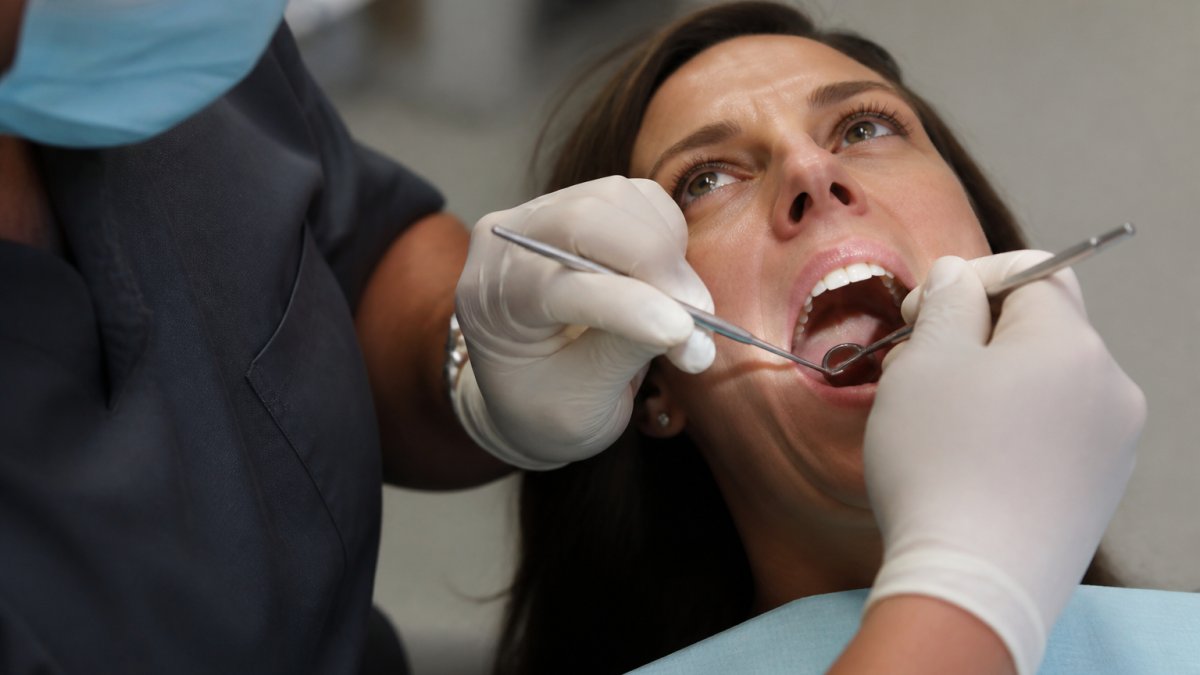
A thorough assessment may include visual inspection and imaging.
No single symptom determines treatment. A dentist weighs crack type, depth, direction, location, remaining structure, and pulp status together, and may recommend a temporary restoration or monitoring when the picture is unclear.
Yes, a cracked tooth can be filled when the damage is minor and the tooth remains strong enough to support the restoration. A small fracture, chip, or shallow crack that has not weakened the tooth structurally is often a good candidate.
The deciding question is whether the tooth will flex. If the crack extends into the area that bears chewing force, a filling will not stop it from spreading. In that case, a filling may buy time but not solve the problem.
A filling may not be appropriate for every crack. If the tooth is borderline, a dentist can explain the trade-off.
A dentist may consider a crown when a crack has weakened the tooth, a large portion of the tooth is lost, or the crack reaches the gumline or below it.
Think of it as a structural question, not a cosmetic one.
Signs that point toward a crown include:
If any of those sound familiar, an exam can help determine whether a crown is warranted.
A dentist can assess whether a root canal, crown, or both may be appropriate based on the crack and the tooth's condition.
The order of treatment may matter. A dentist can assess pulp health when planning treatment.
If the idea makes you anxious, a dentist can discuss what to expect during a root canal.
An untreated cracked tooth can change over time. A dentist can assess the crack and discuss treatment options.
The sequence is fairly predictable, though timing varies:
Some signs warrant prompt care:
Avoid chewing on that side of your mouth.
Stick to soft foods and avoid very hot or very cold items if the tooth is sensitive.
Keep the area clean with gentle brushing and rinsing.
We cover the full sequence in our article on what happens if you ignore a cracked tooth.
A dentist can discuss treatment options based on how much tooth structure remains.
Here is how the main options compare on the factors that matter most:
| Option | Best for | Tooth structure removed | Visits | Durability |
|---|---|---|---|---|
| Composite filling | Minor damage, shallow cracks | Least | Usually one | Shorter; can wear or fail under flex |
| Onlay | Moderate damage, one or more cusps | Moderate | One to two | Longer than a filling |
| Crown | Extensive damage, weakened tooth | Most | Usually two | Longest of the three |
| Root canal plus crown | Crack reaching the pulp | Most, plus nerve treatment | Two or more | Longest, protects a treated tooth |
We accept a wide variety of PPO insurance plans and offer flexible financial options, including third-party financing and an in-house savings plan.
A cracked tooth is a decision point, and the right decision depends on an exam, not a search result. If you are in Glendale or Peoria and something feels off when you bite down, consider having it looked at.
At Family & Cosmetic Dental PLLC, we take a conservative approach: we recommend the least invasive treatment that will actually hold, and we explain why. Our team accepts a wide variety of PPO insurance plans, offers flexible payment options including third-party financing, and maintains an in-house savings plan for patients without coverage. We also know dental anxiety is real, and we build appointments around making the visit manageable rather than rushed.
You can explore cracked tooth treatment.
Whether a crown is appropriate depends on an examination and the condition of the tooth. A dentist can assess the crack and discuss treatment options.
A dentist can assess the crack and the tooth's condition to determine whether a filling is an appropriate option.
A dentist can assess a cracked tooth and discuss whether treatment is appropriate.
A dentist can discuss what to expect from a root canal or crown and address concerns about dental anxiety.
A cracked tooth will not heal on its own, and the window for a simple fix closes as the crack deepens. If you have been putting off a checkup because of cost, anxiety, or uncertainty, start with an exam and get a clear plan. Get started with Family & Cosmetic Dental PLLC and protect your tooth before the choice is made for you.


