
Family & Cosmetic Dental PLLC
- Home
- Our Practice
- Services
- Patient Information
- Blog
- Contact Us
Tooth decay can look very different depending on how early or advanced it is. Early on, it may appear as a dull white spot on the enamel, which is the hard outer layer of the tooth. Later, it may turn yellow, brown, or black and form a rough area, small pit, or visible hole.
Many people expect every cavity to look dark and obvious. In reality, early decay is often easy to miss in a bathroom mirror, especially when it starts between teeth or along the gumline.
A color change does not always mean decay, and a normal-looking tooth can still have a problem under the surface. That is why ongoing sensitivity, food trapping, or pain should not be ignored even if the tooth does not look badly damaged.
At Family & Cosmetic Dental PLLC in Glendale, AZ, our dental exams focus on identifying early decay and providing careful, conservative evaluation.
Early decay often begins as a chalky white spot near the gumline or in a groove of the tooth. This happens when acids from plaque pull minerals out of the enamel, a process called demineralization.
These spots usually look dull rather than shiny. They may blend into the tooth and are often easier to see when the enamel is dry, which is one reason a dentist may notice them before a patient does.
At this stage, the tooth may not hurt at all. That lack of symptoms is one reason early decay is often missed until it becomes more visible or starts causing sensitivity.
When a change is caught early, simple monitoring and preventive care such as cleanings, fluoride, or sealants can often support remineralization and help protect the tooth. You can also learn more about how to prevent cavities.
As enamel breaks down further, the area may become yellow, light brown, dark brown, or black. A visible hole or crater is a stronger sign of a cavity than color alone.
The surface may feel rough to your tongue, and food may start catching in one spot. Some teeth also develop a gray or shadowed area, especially when decay is underneath the enamel instead of fully open on the surface.
When decay reaches the inner layer of the tooth, called dentin, the tooth often becomes more sensitive. Dentin is softer than enamel, so once bacteria reach it, the damage can spread faster.
Some cavities are easy to spot, while others are hidden in places that are hard to see without X-rays. Common areas include the deep grooves on back teeth, the spaces between teeth, and the area where the tooth meets the gumline.
Molars have narrow pits and fissures that can trap plaque and food. Decay here may start as a dark line or a small softened area, but not every stained groove is a cavity.
Decay between teeth is a common reason someone is told they have a cavity that was never visible at home. These areas may look normal from the front while damage develops on the side surfaces.
Good home care helps lower this risk. It is helpful to learn how to properly brush and floss.
Gumline decay may look like a white, yellow, or brown band near the edge of the tooth. This area deserves attention because plaque tends to collect there, and exposed root surfaces can decay more easily than enamel.
A decayed tooth may be sensitive to cold drinks, sweets, or biting pressure. Some people notice a quick zing, while others feel a dull ache that becomes more frequent over time.
Bad breath, a bad taste, or food getting stuck in one area can also happen. Still, some cavities cause no symptoms until they are already deep.
That is why appearance and symptoms should be considered together. A small visible change with no pain may still need treatment, and a painful tooth with little visible change may still need prompt evaluation.
Not every dark mark on a tooth is decay. Coffee or tobacco stains, tartar buildup, enamel cracks, and old fillings can all change the way a tooth looks.
White spots may also come from past orthodontic treatment, enamel development issues, or fluorosis, which is a change in enamel appearance related to fluoride exposure during tooth formation. These conditions can resemble early decay, but they are not the same thing.
This is where online photos can be misleading. A tooth that looks stained is not necessarily infected, and a tooth that looks fine is not necessarily healthy. A clinical exam and, when needed, X-rays give a much more reliable answer.
A dentist does not diagnose a cavity based on color alone. The exam usually includes a close visual check, evaluation of the tooth surface, and X-rays when the area is hidden or the extent is unclear.
Dental X-rays are especially helpful for finding decay between teeth, under fillings, or beneath the outer enamel surface. Some offices may also use tools such as cavity-detection lights or intraoral cameras.
This matters because treatment depends on depth. A superficial enamel change may be monitored or treated conservatively, while a true cavity with structural loss often needs a filling.

Some signs suggest decay may have progressed beyond a simple surface cavity. Swelling, throbbing pain, pus, fever, or pain that wakes you up can be urgent signs of deeper infection and should be assessed promptly.
A broken tooth with a large hole, severe pain when biting, or rapid worsening over a few days also deserves urgent dental care. If swelling affects the face, jaw, or ability to swallow, same-day evaluation is the safest step.
If you notice those urgent signs, seek emergency care to reduce the risk of spreading infection.
Even without dramatic symptoms, a tooth that is getting darker, more sensitive, or harder to chew on should not be left for months. Dental problems usually become more complex and more expensive when they are delayed.
Treatment depends on how much tooth structure has been lost and whether the decay has reached dentin or the pulp, which contains the nerve and blood supply inside the tooth. Small areas may need a filling, while larger defects may require more extensive restoration.
If the tooth is badly weakened, a crown may be recommended to protect it. If the nerve is inflamed or infected, root canal treatment may be needed before the tooth can be restored.
In some cases, especially for younger patients, pulp therapy may be considered as an alternative. The key point is that early decay is usually simpler to manage than advanced decay.
If you notice a white spot, dark area, rough patch, or small hole that does not seem normal, it is reasonable to book a dental visit. The same is true for recurring sensitivity, food trapping, or a tooth that suddenly looks different from the one next to it.
This is especially important for children, older adults with exposed roots, and anyone with dry mouth, frequent snacking, or a history of cavities. These patterns can raise the chance that a subtle change is active decay rather than harmless staining.
For kids, routine dental checkups are especially important for catching problems early. A timely consultation can confirm what is going on and outline the least invasive next step while the tooth is still easier to treat.
Our dental exams include assessment of both visible changes and risk factors so treatment can be planned appropriately.
Family & Cosmetic Dental PLLC in Glendale, AZ provides dental exams to evaluate suspected decay for patients in Glendale and nearby Peoria and Phoenix; call (602) 866-9825 to schedule an exam.
Yes. Early decay often appears as a chalky white spot before it turns brown or black. That white area reflects mineral loss in the enamel and may be one of the first visible changes.
No. A brown spot may be decay, but it can also be staining, a deep groove, or an older area of enamel change. A dental exam is the best way to tell the difference.
Yes. Many cavities do not hurt in the early stages. Pain often develops later, after the decay gets deeper or the tooth becomes inflamed.
It often does not look like much from the outside. You may notice food catching, floss shredding, or sensitivity, but many between-tooth cavities are found on X-rays.
A dark tooth should be evaluated if the color change is new, isolated, associated with pain, or linked to swelling or chewing discomfort. Not every dark tooth is decayed, but it should not be ignored.
Yes, teeth whitening strips can work, especially for mild to moderate yellowing caused by coffee, tea, red wine, tobacco, and normal aging. They are one of the more effective over-the-counter whitening options because they place a bleaching ingredient directly on the enamel, the hard outer layer of the tooth.
They do not work equally well for every type of stain. For many people with healthy teeth and realistic expectations, whitening strips are a reasonable first step for a visible but not dramatic improvement.
Family & Cosmetic Dental PLLC offers professional teeth whitening in Glendale, AZ, and provides the kind of supervised whitening many patients prefer.
Most whitening strips use hydrogen peroxide or carbamide peroxide. These ingredients release oxygen that helps break apart pigmented molecules inside the tooth, which can make teeth look lighter over time.
This is different from a basic whitening toothpaste. Toothpaste mainly removes surface buildup, while peroxide whitening strips can lighten some deeper discoloration too.
Results are usually better on yellow-toned teeth than on gray, brown, or patchy discoloration. Fillings, crowns, veneers, and bonding do not whiten the same way natural enamel does, so color mismatch can become more noticeable after treatment.
Whitening strips usually work best on extrinsic stains, which are stains on or near the outer surface of the tooth. These often come from coffee, tea, dark sodas, smoking, and richly colored foods.
They are less predictable for intrinsic stains, which develop within the tooth. This includes discoloration related to trauma, some medications, enamel defects, or changes that happened while the teeth were developing.
If one tooth is much darker than the others, whitening strips are not the best first step. A single dark tooth can point to prior nerve injury, internal bleeding inside the tooth, or another issue that should be checked before cosmetic treatment.
Whitening strips can create a noticeable improvement, but they are usually slower and less powerful than professional teeth whitening from a dentist. For many patients, strips can brighten the smile a few shades, while in-office treatment may create a bigger change in less time.
The main advantage of strips is convenience. The main advantage of professional whitening is control, especially when there is uneven staining, gum sensitivity, exposed root surfaces, or cosmetic dental work that may affect the final result.
| Option | Typical Benefit | Main Limits | Best Fit |
| Whitening strips | Convenient, lower cost, gradual improvement | May cause sensitivity, less effective on deeper stains, can whiten unevenly | Mild to moderate surface staining |
| Custom take-home trays from a dentist | More even coverage, supervised treatment, stronger than many store products | Higher cost than strips, still takes time | Patients who want a balanced middle option |
| In-office whitening | Faster and often more dramatic brightening | Higher cost, temporary sensitivity can occur | Patients wanting quicker results or tougher stain management |
In many cases, strips are best for maintenance or as a first try, not for every smile makeover goal. Many people can see strips lighten teeth within two weeks, but if you want a major color change before a wedding, job interview, or photo-heavy event, a professional consultation usually makes more sense.
Whitening strips do not usually change the smile overnight. People who respond well often notice gradual brightening over one to two weeks, depending on the formula, how consistently it is used, and the starting shade of the teeth.
Results are not permanent. Coffee, tea, smoking, and deeply colored foods can cause stains to return over time.
Teeth also vary naturally in translucency and internal color. That means one person may get a clean, bright result from strips, while another sees only a modest change even when using the product correctly.
Most whitening strips are simple to wear, though they can feel a little slippery at first. Some people notice a mild chemical taste or a tight feeling against the front teeth while the strips are in place.
The most common side effect is temporary tooth sensitivity. Teeth may react more strongly to cold air, iced drinks, or sweet foods for a short time during or after whitening.
Gum irritation can also happen if the bleaching gel overlaps onto the soft tissue. If pain is significant, if the gums look white or burned, or if sensitivity does not settle, stop using the product and contact a dentist for a dental exam.
Whitening strips are not ideal for everyone. If you have untreated tooth decay, a cracked tooth, gum recession, exposed roots, or active gum disease, bleaching products may increase discomfort and may not be safe to use without an exam.
They are also a poor choice when the real problem is not stain but shape, wear, old bonding, or mismatched restorations. According to the ADA, whitening changes natural tooth structure, not restorations.
If the issue is shape, worn enamel, or mismatched dental work, cosmetic dentistry options such as porcelain veneers or bonding may be a better fit.
These signs do not always mean a serious problem, but they do justify a professional evaluation before cosmetic treatment.
Whitening strips are often worth trying if your teeth are healthy, the staining is fairly even, and you want a modest improvement rather than a dramatic change. They can be a practical lower-cost option for brightening your smile at home.
They are less likely to be worth the effort when discoloration is patchy, when you have many visible fillings or crowns, or when sensitivity is already a problem. In those situations, the result is more likely to disappoint.
If your smile has become dull gradually from age and daily habits, strips may help. If the color change seems unusual, uneven, or linked to pain, it is better to schedule an exam first.
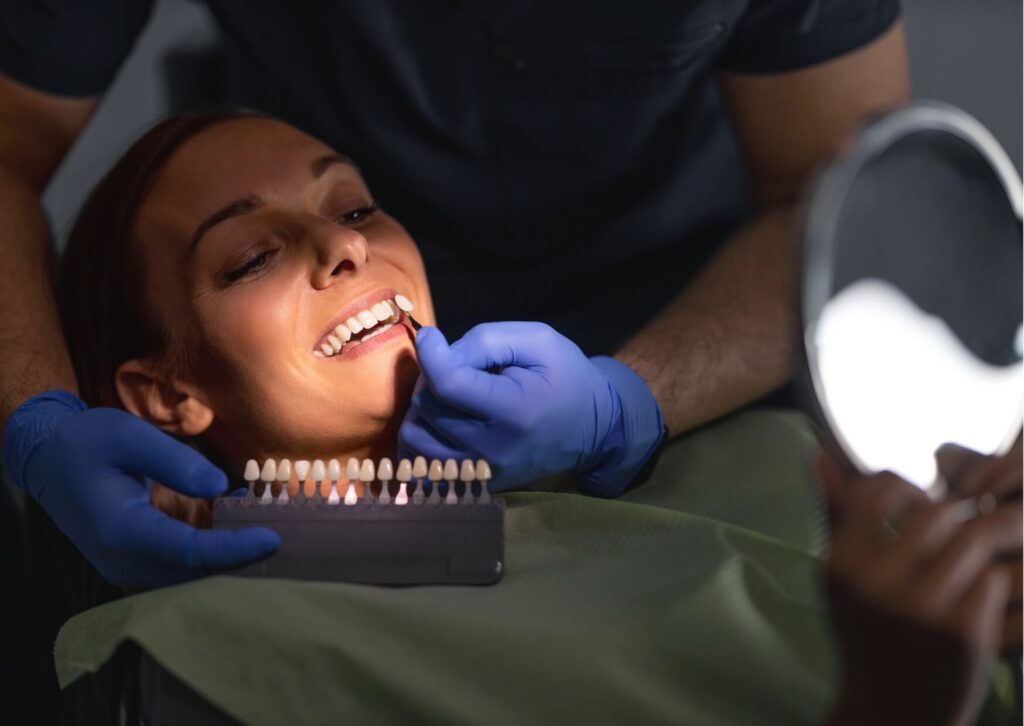
If whitening strips have not helped after a reasonable trial, the next step is usually not buying a stronger box. The better question is what kind of stain is present and whether your teeth are healthy enough for whitening at all.
A dental exam can identify causes that strips cannot fix, including internal discoloration, enamel wear, leaking fillings, or a non-vital tooth, meaning a tooth with a damaged or no longer living nerve. That kind of clarity can save time, money, and frustration.
For patients who want a brighter smile with fewer surprises, a consultation can help determine whether whitening strips, custom trays, bonding, or another cosmetic option makes the most sense.
At Family & Cosmetic Dental PLLC in Glendale, AZ, our teeth whitening options can deliver faster, more predictable results; we serve Glendale as well as nearby Phoenix and Peoria. Call us at (602) 866-9825 to schedule.
Often, yes. Yellow-toned staining usually responds better than gray or brown discoloration, especially when the cause is coffee, tea, tobacco, or normal aging.
No. Whitening strips do not lighten crowns, veneers, fillings, or bonding the way they lighten natural enamel, so color differences may become more noticeable.
Many people notice some change within days, with fuller results often appearing after one to two weeks. The timing varies based on the product, the starting shade, and the type of stain.
When used as directed, they are generally safe for many people, but they can cause sensitivity and gum irritation. If there is decay, cracks, exposed roots, or significant pain, whitening should wait until a dentist evaluates the teeth.
Schedule a dental visit if one tooth is darker than the rest, if whitening causes significant pain, or if there is swelling, bleeding gums, or ongoing sensitivity. Those signs may point to a problem that needs treatment before cosmetic whitening.

A century ago, many families did not bring children to the dentist until school age, often after pain had already started. Modern pediatric dentistry changed that pattern because decay can begin soon after teeth come through the gums.
The best answer to when you should take your child to the dentist is this: by age 1, or within 6 months of the first tooth appearing, whichever comes first. That recommendation may sound early, but it gives a dentist a chance to check growth and catch small problems before they become bigger ones.
This age one dental visit guidance is widely recommended in pediatric dentistry. It is based on prevention, not on assuming something is wrong.
Baby teeth are temporary, but they still matter. They help children chew, support speech development, hold space for adult teeth, and contribute to comfort and sleep.
Family & Cosmetic Dental PLLC in Glendale, AZ provides pediatric dentistry for infants and young children and can offer the kind of early exams and guidance many families find helpful.
As the first teeth erupt, bacteria can attach to the tooth surface and form plaque, a sticky film that feeds on sugars. Newly erupted teeth are also more vulnerable while enamel is still maturing.
That is one reason early childhood cavities can develop faster than many parents expect. Learning how to prevent cavities early can make a real difference.
Frequent exposure to milk, formula, juice, sweetened drinks, or prolonged overnight feeding can raise cavity risk, especially if teeth are not cleaned regularly. Repeated exposure over time is often more important than one isolated treat.
A dentist also checks the gums, tongue, oral tissues, and the way the jaws are developing. These details may seem minor in infancy, but they can affect comfort and function later.
For most children, the first visit should happen by their first birthday. After that, the dentist will recommend a follow-up schedule based on cavity risk, feeding habits, fluoride exposure, oral hygiene, and anything seen during the exam.
If you want more detail about routine timing, see our article on children's dental checkups. Some children should be seen even sooner than age 1.
That includes infants with tooth discoloration, mouth injury, persistent sores, feeding problems related to the mouth, or a tooth that erupted with an unusual shape or surface. Children with special health care needs, dry mouth, developmental differences, or enamel defects may also benefit from earlier monitoring.
Early prevention is usually easier, less stressful, and less expensive than treating advanced decay later. For many families, that alone makes the first visit worthwhile.
Many first visits happen with the child sitting on a parent’s lap. The dentist checks the teeth, gums, bite, oral tissues, and jaw development while looking for signs of early childhood caries, the clinical term for decay in infants and young children.
These checks are part of routine dental exams. If that term comes up, it simply means cavities in baby teeth during the early years.
The dentist may also talk about brushing technique, fluoride, teething, thumb or pacifier habits, and which eating or drinking patterns raise concern. Families may also get practical tips on how to properly brush and floss.
Some practices apply fluoride treatment, a protective coating that helps strengthen enamel. Many parents are surprised by how simple the first visit is, and that simplicity is part of its value.
A child should be evaluated promptly if you notice white chalky spots, brown areas, pits, broken teeth, gum swelling, persistent bad breath, or sensitivity during eating. These changes can point to decay, enamel weakness, infection, or irritation.
Dental injuries matter too, even if a child seems calm afterward. A bumped, loosened, displaced, or darkening tooth can affect the nerve and supporting tissues, and facial swelling or fever with dental pain needs urgent dental or medical assessment.
In urgent situations, families can seek emergency dental care or medical attention. If a child refuses food because chewing hurts, wakes at night with mouth pain, or has bleeding that does not stop as expected after an injury, a same-day call makes sense.
Some people still assume cavities in baby teeth do not matter because those teeth will fall out anyway. In practice, that is not true.
Painful or infected baby teeth can affect eating, sleep, and concentration. They can also lead to early tooth loss, which may change spacing and make future orthodontic issues more likely.
For more on timing and options, see our article on early orthodontics. You can also read more about the importance of primary teeth to understand how baby teeth support healthy development.
Under each baby tooth, the adult tooth is forming in close relationship to the roots and surrounding bone. Protecting primary teeth helps protect the environment where permanent teeth develop.
Tooth decay is not caused by sugar alone. It develops through a combination of oral bacteria, fermentable carbohydrates such as sugars and starches, tooth structure, saliva, and time.
At a basic level, bacteria in plaque use sugars and produce acids. Those acids pull minerals out of enamel in a process called demineralization, and if that happens more often than the tooth can repair itself, a cavity can form.
This is why sipping sweet drinks for long periods, sleeping with a bottle, or frequent sticky snacks can be more harmful than many families realize. The pattern of repeated exposure is often the bigger issue.
A dentist may also ask whether caregivers have had frequent cavities. That is not about blame; it helps estimate the child’s risk and decide how closely to monitor the teeth.

Choose a time of day when your child is usually rested and fed. Bring a favorite comfort item if needed, and use simple language such as saying the dentist will count and look at the teeth.
It is usually better not to promise that nothing unusual will happen or that everything will be fun. Children often do best when adults sound calm, matter-of-fact, and confident.
If your child has sensory sensitivity, developmental differences, or medical complexity, tell the office ahead of time. A good pediatric dental team can often adjust the pace, lighting, language, and exam style.
Dentists focus on the teeth, gums, oral tissues, and bite, but the mouth is part of the whole body. If a child has fever, significant swelling, trouble swallowing, dehydration, or an injury involving the face or head, medical evaluation may be needed along with dental care.
This overlap matters even more in very young children, who may show oral pain as fussiness, poor feeding, or sleep disruption instead of a clear complaint. When symptoms are severe, changing quickly, or hard to interpret, it is best to get professional guidance rather than guess.
If you are asking, “when should I take my child to the dentist?”, the practical answer is earlier than many families were once told. By the first birthday is the standard most dentists consider safest and most useful.
That early visit is not about expecting a problem. It is about creating a baseline, lowering risk, and giving parents clear guidance before pain or decay enters the picture.
A short preventive visit in the first year can make later dental care easier for both children and parents. It also gives families a trusted place to turn when new questions come up.
Family & Cosmetic Dental PLLC in Glendale, AZ offers pediatric dentistry for infants and children and serves families from nearby Phoenix and Peoria; call (602) 866-9825to schedule an appointment.
A delayed first tooth does not always mean there is a problem, but it is still reasonable to ask a dentist or pediatrician about it. The answer depends on overall growth, medical history, and whether other developmental milestones are on track.
No. Waiting until all baby teeth erupt may delay prevention during the period when the first teeth are most vulnerable. The first visit is meant to start early, not after the full set appears.
Yes. Home brushing is essential, but it does not replace an exam. A dentist can spot early changes that are easy to miss at home, including enamel defects, early decay, and bite issues.
Routine teething alone usually does not require an urgent dental visit. However, if symptoms seem severe, prolonged, or include swelling, mouth sores, feeding refusal, or fever that does not fit a simple teething pattern, an evaluation is appropriate.
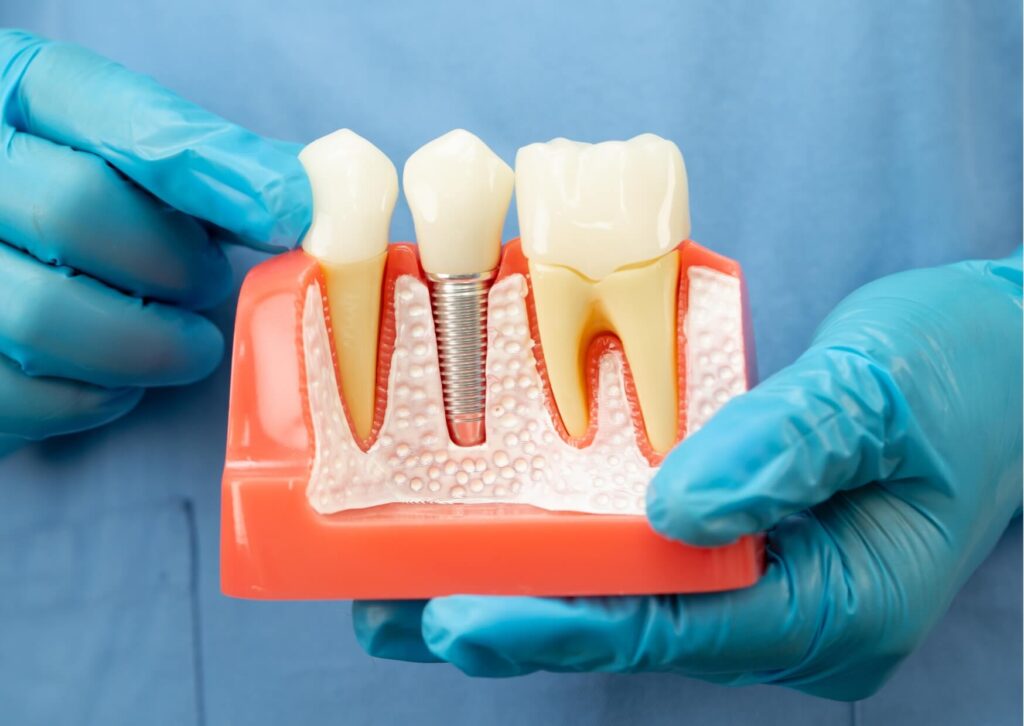
A missing tooth affects more than your smile. It can change how you chew, how you speak, and how pressure moves through your jaw.
Modern dental implants were developed to replace missing teeth with something more stable than a removable option. If you are wondering who does dental implants, the answer depends on the complexity of your case and who will plan, place, and restore the tooth.
The short answer is that implants may be placed by a general dentist with advanced implant training, an oral surgeon, a periodontist, or sometimes a prosthodontist. In many cases, more than one dental professional is involved.
Family & Cosmetic Dental PLLC offers dental implantsin Glendale, AZ and provides the kind of implant care you may be looking for.
Dental implant treatment usually has two parts. One is placing the implant in the jawbone, and the other is restoring it with a crown, bridge, or denture.
Because of that, one clinician may place the implant while another completes the final tooth. This is common and often beneficial.
Some general dentists place and restore implants after advanced continuing education and hands-on training. In straightforward cases, this can make treatment more convenient because one office may handle imaging, planning, placement, and the final crown.
Training and experience can vary widely. That is why it is reasonable to ask about provider qualifications, how often the office performs implant procedures, what types of cases are treated there, and when patients are referred to a specialist.
Oral surgeons are dental specialists trained in surgery of the mouth, jaw, and face. They often place implants in cases that involve extractions, significant bone loss, sedation needs, or more complex anatomy.
They may be the right fit when surgery is expected to be more involved. This can include cases with bone grafting, impacted teeth, or limited space near important structures such as nerves or the sinus.
Periodontics focuses on the gums and the bone that support the teeth. Because implant success depends on healthy tissue support, periodontists often place implants, especially when gum disease, recession, or bone loss is present.
A periodontist may be especially helpful when gum shape and tissue stability matter for both health and appearance. This is often important for front teeth, where even small differences in gum contour can be noticeable. For more background, see What is a periodontist.
Prosthodontics focuses on rebuilding teeth and bite function with crowns, bridges, dentures, and implant-supported restorations. Some prosthodontists also place implants, but many are most involved in planning treatment and designing the final replacement teeth.
This can be especially important when several teeth are missing or when appearance and bite balance are major concerns. In those cases, the final restoration should guide the implant plan from the beginning.
The better question is often not just who does dental implants, but who plans them, restores them, and monitors them over time. Good implant care depends on more than the surgical step alone.
Bone quality, gum thickness, bite forces, nerve location, sinus position, and the shape of the final tooth all matter before treatment begins. A well-planned implant should fit the biology and function of the mouth, not just fill an empty space.
In many cases, treatment involves a team. A general dentist may diagnose the problem, a surgeon or periodontist may place the implant, and a restorative dentistry clinician may complete the crown.
That kind of collaboration is often a strength. It means each part of care can be handled by the clinician whose training best matches that stage.
A dental implant is a small post, usually made of titanium or a titanium alloy, that is placed into the jawbone. Over time, the surrounding bone can bond to it through osseointegration, creating a stable foundation for chewing.
That bond is central to how implants work. Bone cells attach to the implant surface and remodel around it, helping create a secure connection between the implant and living bone.
Most implant treatment includes an exam, imaging, surgical placement, healing, and then restoration with the final tooth or prosthesis. Some cases are simple, while others require grafting, staged healing, or treatment for infection, grinding, or bite problems first.
Experience matters, but so does judgment. A trustworthy implant provider should explain not only how the procedure works, but why a specific plan makes sense for your mouth.
Look for clear discussion of imaging, bone and gum health, healing time, alternatives, and long-term maintenance. If the explanation feels rushed, vague, or overly sales-focused, that is worth noticing.
You do not need technical knowledge to ask good questions. In fact, simple questions often reveal how carefully a case is being planned.
Consider asking:
A good provider should answer clearly and directly. Implant treatment is often elective, so informed decision-making is an important part of care.
Not every missing tooth requires specialist care. But some situations clearly benefit from it.
Complex anatomy, advanced gum disease, major bone loss, trauma, and full-arch reconstruction often call for focused surgical or restorative expertise. A specialist may also be the better choice when replacing a front tooth, where gum symmetry and tooth position can strongly affect the final appearance.
Other reasons for referral include heavy clenching, a history of failed implants, significant medical complexity, or uncertainty about whether an implant is the best option at all. Sometimes the best decision is to delay treatment until the mouth is healthier and the plan is clearer.
Before implant treatment, symptoms such as infection, fracture, or active gum disease may need attention first. After treatment, certain changes can point to a healing problem or mechanical complication.
Seek prompt dental evaluation if you have severe swelling, fever, pus, or worsening pain, especially after a recent procedure. Also call a dentist soon if an implant feels loose, your bite suddenly changes, numbness continues, or bleeding and gum inflammation do not improve. These warning signs do not always mean implant failure, but they should not be ignored.
Timely care can help protect the implant site and the surrounding teeth and bone.
It is normal to compare providers based on cost or convenience. But implant treatment should also be judged by planning quality, case selection, and long-term follow-up.
A lower fee may be reasonable in a simple case. Still, if a treatment plan skips discussion of gum stability, bite design, or maintenance, the lower price may not reflect the full picture.
The best implant care usually feels measured rather than rushed. The office should make space for questions, explain uncertainty honestly, and show how the final tooth is expected to function over time.
If you are deciding who does dental implants in your area, a consultation focused on diagnosis and planning is often the most useful next step. The right clinician should leave you with a clearer understanding of both what treatment can do and where its limits are.
To schedule a dental implant consultation at Family & Cosmetic Dental PLLC in Glendale, AZ (serving nearby Phoenix and Chandler), call (602) 866-9825.
Yes. Some general dentists place and restore implants after advanced training. Whether that is the right choice depends on the dentist's experience and on how simple or complex the case is.
Both may be highly qualified. Oral surgeons often handle more surgically complex cases, while periodontists often focus on gum and bone support. The best fit depends on the anatomy, tissue health, and treatment goals.
Sometimes, but not always. In many cases, one clinician places the implant and another designs or attaches the final crown.
Not always. A single missing tooth with healthy bone and gums may be treated by a trained general dentist, but specialist input may help if the site is in the front of the mouth, bone is limited, or the case has cosmetic or surgical challenges.
Ask who will place the implant, who will restore it, what imaging is needed, what risks apply to your case, whether grafting may be needed, and how the implant will be monitored long term.

Worn teeth often tell a quiet story. Flattened edges, small chips, and teeth that seem shorter over time are common signs of grinding, also called bruxism.
Many people do not realize they grind their teeth until a dentist spots the pattern. The question is not only how to stop the pressure, but how to fix grinded teeth after enamel, shape, and comfort have already changed.
At Family & Cosmetic Dental PLLC in Glendale, AZ, a dental examcan help assess grinding damage and guide whether protection or restorative care is the most appropriate approach.
Teeth are strong, but they are not built for repeated side-to-side force over long periods. Chewing is brief and controlled, while grinding can place heavy pressure on the biting edges, chewing surfaces, and jaw joints.
The first layer usually affected is enamel, the hard outer surface of the tooth. As enamel wears down, the softer inner layer called dentin may become exposed, which can lead to sensitivity to cold, sweets, or air.
Over time, grinded teeth may look shorter, flatter, or more translucent at the edges. Small chips can appear, fillings may crack, and the bite may start to feel different.
The jaw muscles can also become overworked. Morning jaw tightness, temple headaches, facial fatigue, and tenderness near the temporomandibular joints, or TMJs, may all happen with bruxism, although these symptoms can have other causes too.
A dentist usually looks for a pattern rather than a single clue. Flattened chewing surfaces, chipped enamel, scalloped tongue edges, cheek biting, muscle tenderness, and broken dental work can all suggest grinding.
Some people notice changes before pain begins. Teeth may look shorter in old photos, front teeth may lose their natural shape, or a filling may start to feel rough against the tongue.
A sudden crack, severe pain when biting, or facial swelling needs prompt evaluation. These signs can point to a fracture, infection, or another problem that should not wait.
There is no single fix for grinded teeth because the damage can range from mild edge wear to major loss of tooth structure. A careful dental exam helps separate cosmetic changes from functional problems involving the bite, the pulp inside the tooth, which may need pulp therapy, or the surrounding joints and muscles.
Dentists may use photographs, X-rays, bite analysis, and a close look at older restorations to understand what has changed. In many cases, the key question is not just whether grinding exists, but whether it is still active.
That matters because repairing worn teeth without addressing ongoing grinding can shorten the life of the treatment. Protection and repair often need to happen together.
When wear is mild and the teeth are still structurally sound, treatment is often conservative. Rough areas may be polished, and small chips may be repaired with tooth-colored composite resin, often called dental bonding.
Bonding can rebuild worn edges, improve appearance, and reduce sensitivity when dentin is exposed. It is a useful option when the goal is to restore shape without removing much more tooth structure.
In mild cases, monitoring may also be part of the plan. If the bite is stable and symptoms are limited, a dentist may recommend protection and follow-up instead of more extensive treatment right away.
More advanced grinding can wear teeth down beyond what bonding can reliably replace. When a tooth has lost significant structure, a dentist may recommend an onlay or dental crowns to restore strength and shape.
Crowns cover most of the visible tooth and help protect weakened teeth from further fracture. Onlays cover only part of the tooth and may be used when the damage is substantial but does not require full coverage.
Front teeth can be more complex because both appearance and bite guidance matter. In selected cases, veneers may help restore worn front surfaces, but they are not ideal for every grinding pattern, especially if heavy forces are still present.
When many teeth are worn and the bite has changed significantly, treatment may involve full-mouth rehabilitation. This means a staged plan to rebuild tooth shape, function, and bite balance across the mouth.
Achieving bite balance may sometimes include orthodontic care. Learn more about why straighten teeth.
This kind of treatment should be planned carefully. Comfort, chewing function, and long-term durability matter just as much as appearance.
Fixing grinded teeth is only part of the solution. If the pressure continues, even well-done dental work can chip, loosen, or wear down again.
For many patients, a custom night guard for teeth grinding is a key part of treatment. This professionally made appliance is worn during sleep to reduce direct tooth-on-tooth contact and help distribute force more safely.
A night guard does not cure every cause of bruxism, and it does not guarantee the jaw muscles will fully relax. Still, it is one of the most practical ways to protect both natural teeth and dental work.
Daytime clenching matters too. People working at a screen, driving, lifting weights, or concentrating hard may hold their teeth together for long stretches without noticing.
Bruxism does not come from one single cause. Stress and anxiety can contribute, but they are not the whole story.
Sleep-related grinding may be linked to sleep arousal patterns, airway issues, or other neurologic and muscular factors. Awake clenching often relates more to concentration, posture, stress load, or habit.
Certain medications and stimulants may also play a role for some people. Bite differences, known as malocclusion, can affect where force lands, but they are not always the root cause.
That is why a proper exam matters. Honest treatment means explaining that worn teeth can often be repaired, while the tendency to grind may still need long-term management.
Grinded teeth may become sensitive because enamel has thinned or because a crack has formed. A cracked tooth may hurt when chewing or when pressure is released, and the pain may come and go.
Not every sensitive or painful tooth is caused by grinding. Cavities, gum recession, pulp inflammation, and even sinus pressure can create similar symptoms.
Seek prompt care if you have sharp pain on biting, a broken tooth, visible swelling, fever, or trouble opening the mouth. These signs may point to a fracture, infection, or joint problem that needs timely assessment.
In urgent situations, contact Family & Cosmetic Dental PLLC for emergency dental care.
Most patients can improve both comfort and appearance, but the right path depends on how much tooth structure remains. Mild wear may be managed conservatively, while severe wear often requires staged restorative treatment and long-term protection.
The best result is usually not a dramatic transformation. It is a stable bite, less sensitivity, fewer fractures, and teeth that look natural and feel comfortable.
If you are wondering how to fix grinded teeth, the safest next step is a dental exam to identify the cause, measure the wear, and plan the most durable treatment for your situation. That conversation can do more than repair enamel. It can help restore confidence in eating, speaking, and smiling.
Family & Cosmetic Dental PLLC in Glendale, AZ provides dental exam services and restorative care for patients in Glendale and nearby areas like Phoenix and Peoria; call our office to discuss what might be right for you at (602) 866-9825.
No. Enamel does not grow back once it is lost. A dentist may restore worn areas with bonding, onlays, crowns, or other treatments depending on how much structure has been lost.
A night guard helps protect teeth from further wear, but it does not rebuild enamel that has already been lost. Many patients need both protection and restorative treatment.
In mild to moderate cases, bonding may repair chips, rebuild edges, and improve sensitivity. If the wear is deep or the bite forces are heavy, a stronger restoration may be more appropriate.
Urgent evaluation is wise if there is severe pain, a cracked or broken tooth, swelling, fever, or sudden trouble biting comfortably. Those signs may point to a fracture or infection rather than simple wear.
No. Stress can contribute, but sleep patterns, airway issues, muscle activity, medications, and daytime clenching habits may also play a role. A dental evaluation helps put the pattern in context.
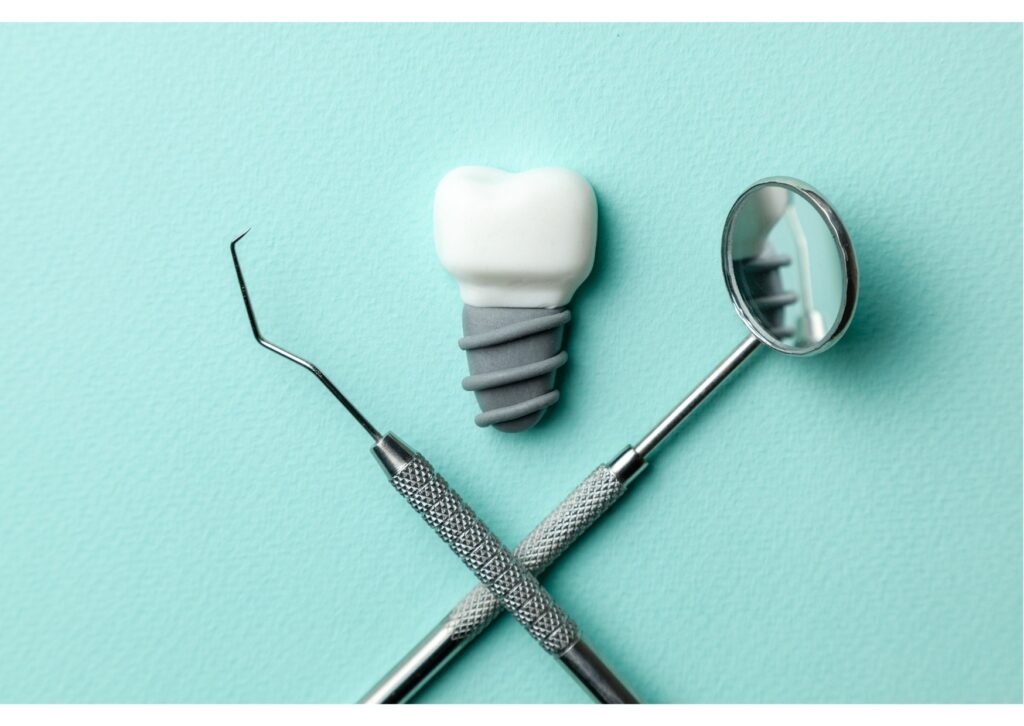
A missing tooth can affect more than appearance. It can impact chewing, speech, facial structure, and daily comfort. Over time, nearby teeth may shift, and the jawbone beneath the gap may begin to shrink due to lack of stimulation.
This is why understanding dental implants pros and cons goes beyond cosmetic concerns. Dental implants replace the root of a missing tooth, helping restore both function and structure. However, they involve surgery, require healing time, and may not be suitable for every patient initially.
Implants are one of several treatment options available. Each comes with its own benefits, limitations, costs, and risks. At Family & Cosmetic Dental PLLC in Glendale, AZ, patients are guided through these considerations to determine whether implants are the right fit for their needs.
A dental implant is typically a small titanium or ceramic post placed into the jawbone where a tooth root once was. Over time, the bone integrates with the implant through a process known as osseointegration. After healing, a connector and a custom crown, bridge, or denture are attached.
This root-level replacement is what distinguishes implants from bridges or removable dentures. Bridges rely on adjacent teeth for support, while dentures rest on the gums. An implant can function independently when conditions allow, which may help preserve surrounding teeth.
The healing process is biologically precise. Bone cells grow and attach to the implant surface, creating a stable foundation. If the implant remains stable and free from infection during healing, long-term integration is more likely.
One of the most significant advantages is functional stability. Because implants are anchored directly into bone, they can handle biting forces more similarly to natural teeth. This can improve chewing efficiency and reduce the need to avoid certain foods.
Implants also have high success rates when placed in well-selected patients and maintained properly. Long-term outcomes depend on factors such as bone quality, gum health, and oral hygiene, and many implants remain stable and functional for years.
Implants also help preserve the jawbone and protect adjacent teeth. By replacing the root structure, they can reduce disuse-related bone loss and support facial contours over time. Unlike bridges, they typically do not require reshaping neighboring teeth, which helps maintain natural tooth structure when those teeth are healthy.
Implant treatment involves surgery, even in straightforward cases. This means local anesthesia, tissue healing, and follow-up care are required. Some patients may have medical conditions or anatomical limitations that increase complexity.
Healing time can vary widely. While some cases allow immediate placement or temporary restorations, many require several months for full integration. Bone grafting or treatment of infection may extend the timeline further.
Complications and maintenance are important considerations. Inflammation around implants, known as peri-implantitis, can lead to bone loss if not managed early. Patients with a history of periodontal gum disease may have a higher risk of similar issues, which is why consistent hygiene and professional monitoring remain essential.
A strong candidate typically has adequate bone volume, stable gum health, and the ability to heal normally. Healthy gums provide the soft tissue support that surrounds and protects the implant, making them essential for long-term stability. Good oral hygiene is equally important because the health of the implant depends on both the bone and the gum tissues around it.
Age alone is not a limiting factor. More important considerations include smoking habits, diabetes control, medication history, and whether active periodontal disease is present. These factors can affect both gum health and bone healing, which directly influence implant success.
A comprehensive evaluation often includes 3D imaging, bite analysis, and spacing assessment. In visible areas, small differences in gum contour, thickness, and symmetry can significantly affect the final appearance. Careful planning helps ensure both functional stability and natural-looking results.
Certain conditions can make implant treatment more complex. Smoking can reduce blood flow and slow healing, while uncontrolled diabetes may increase infection risk and delay tissue repair. In these cases, careful medical and dental coordination is often needed before proceeding.
Bone loss from long-term tooth absence may require grafting procedures to rebuild support for the implant. In the upper jaw, the sinus can limit available bone height, while in the lower jaw, nerve positioning must be carefully considered. These situations are often evaluated or treated in collaboration with a periodontist, who focuses on gum health and supporting bone structures.
There are also cases where preserving a natural tooth is more appropriate. If a tooth can be predictably restored, removing it for an implant may not be the most conservative or biologically sound option. Careful diagnosis helps determine when an implant is truly the better choice.
Choosing the right option depends on anatomy, budget, and treatment goals. Some patients prioritize a fixed, stable solution, while others prefer less invasive or more affordable approaches.
| Option | Main strengths | Main limitations | Often best for |
| Dental implant | Replaces the root, can preserve adjacent teeth, often feels stable | Surgery, healing time, higher cost, possible grafting | Single missing teeth, some multi-tooth and denture-support cases |
| Dental bridge | Faster than many implant cases, no surgery in many cases | Usually requires reshaping neighboring teeth, does not replace the root | Patients who want a fixed option without implant surgery |
| Removable partial denture | Lower upfront cost, non-surgical, can replace multiple teeth | May move during chewing or speech, can feel bulky | Budget-limited cases or temporary replacement |
| Full denture | Can restore appearance and basic function after many missing teeth | Lower stability, especially in the lower jaw, bone shrinkage continues | Full-arch tooth loss when implants are not feasible or not desired |
| Implant-supported denture | Better retention and chewing stability than a conventional denture | Surgery, maintenance, component wear, cost | Patients frustrated by loose dentures |
Each option has a specific role. Implants are often most effective when used to address structural needs rather than as a universal solution.
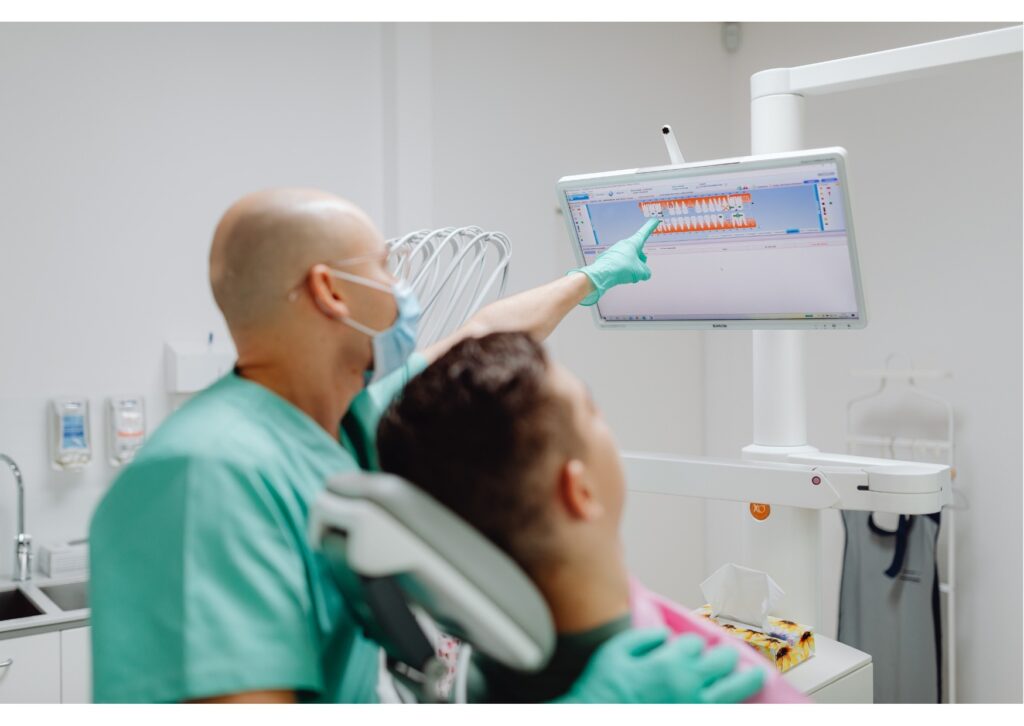
Treatment typically begins with diagnostics and planning. The implant position is determined based on the final restoration to ensure proper alignment, function, and appearance.
After placement, the healing phase begins. Some patients receive temporary teeth, while others heal without visible restorations. Mild swelling and soreness are common, but severe symptoms should be evaluated promptly.
Once integration is confirmed, impressions or digital scans are taken. The final crown is then placed, followed by adjustments and ongoing monitoring to maintain long-term stability.
Early signs of implant issues may include bleeding, tenderness, or changes in how the bite feels. These symptoms can resemble early gum disease and should not be ignored. Some problems may involve the restoration, such as a loose crown, rather than the implant itself.
Warning signs that require prompt evaluation include:
Long-term failure is often multifactorial. Poor hygiene, smoking, excessive bite forces, and a history of gum disease can all increase the risk of complications over time. Maintaining healthy gums is essential for protecting the bone and tissues that support an implant.
Patients often ask whether implants are worth the cost. The answer depends on priorities and expected outcomes. Implants may offer strong value when these factors matter:
Longevity is not absolute. Many implants last for years, but results vary based on care and conditions:
There is also a personal side to this decision. A missing tooth can affect comfort, confidence, and daily function. The best choice balances clinical needs with individual preferences.
A useful decision starts with a few plain questions. Is the missing tooth affecting function or alignment?
It is also helpful to consider what happens without treatment. Some gaps may lead to shifting or bite changes, while others remain stable for longer periods depending on location.
If there is uncertainty, seeking a second opinion can provide clarity. A thorough consultation should explain options, risks, timelines, and maintenance expectations in clear, understandable terms.
Ready to discuss dental implants? Contact us by calling (602) 866-9825to book a consultation at our Glendale office; we welcome patients from nearby Phoenix and Peoria and can often offer same-day appointments to review treatment options and next steps.
Not always. Implants may be better when preserving adjacent teeth and replacing the missing root are priorities. Bridges may be more suitable when surgery is not desired, treatment needs to move faster, or neighboring teeth already need crowns.
Many patients describe the procedure as manageable, especially with local anesthesia and routine post-operative care from the treating clinician. Some soreness and swelling are common afterward, but severe or worsening pain should be assessed.
They can last many years, sometimes much longer, but outcomes vary. Long-term success depends on case selection, bone and gum health, bite forces, smoking status, and daily cleaning.
Yes. Late problems can occur from bone loss, inflammation, overload, component issues, or poor hygiene. Bleeding, tenderness, gum changes, or mobility should be checked promptly.
They are generally considered safe when planned and placed appropriately, but they are still a surgical treatment with real risks. A personalized dental evaluation is the safest way to understand whether the benefits outweigh the drawbacks in a specific case.
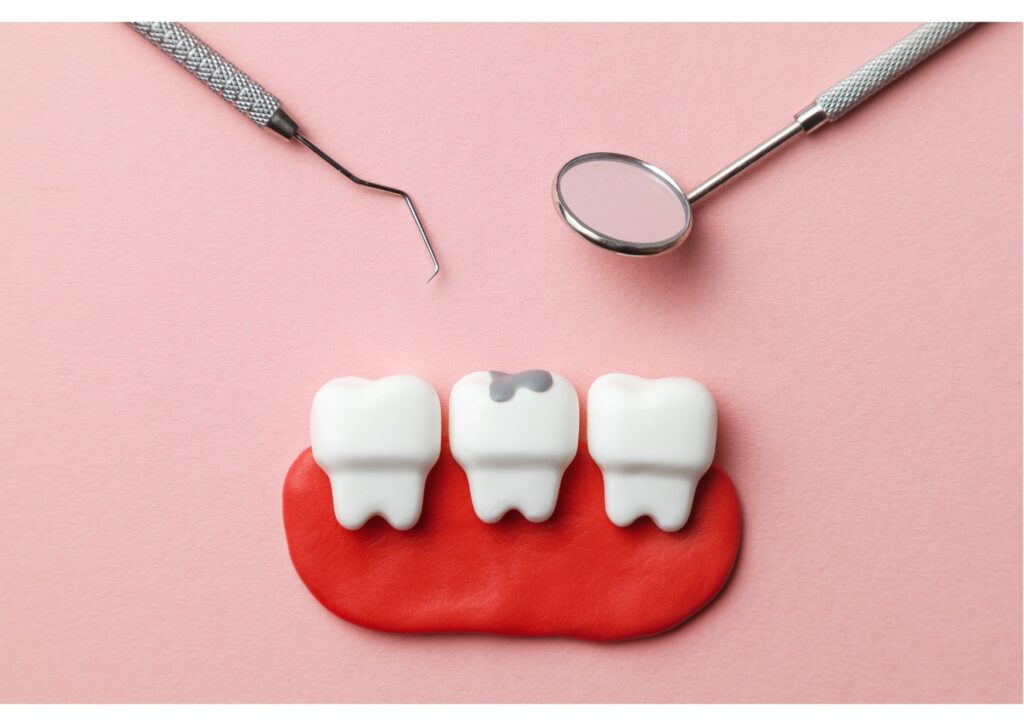
When comparing dental bonding vs. porcelain veneers, the key difference comes down to how much of the natural tooth is preserved and how much is changed. Both options can improve shape, color, and symmetry, but they involve different materials, techniques, and long-term outcomes.
Modern cosmetic dentistry focuses on enhancing a smile while keeping healthy enamel intact whenever possible. Some concerns, like small chips or gaps, may only need minimal treatment. Others, such as uneven color or shape across multiple teeth, may require a more comprehensive approach.
If you are unsure which option fits your needs, Family & Cosmetic Dental PLLC in Glendale, AZ provides patient-focused cosmetic dentistry for individuals seeking balanced, natural-looking results.
Dental bonding uses a tooth-colored resin applied directly to the tooth and hardened with a curing light. The dentist shapes and polishes the material during the same visit. In many cases, little to no enamel removal is required, making it a conservative option.
Veneers are thin shells, usually made of porcelain or ceramic, that are bonded to the front of the tooth. They are created outside the mouth after careful planning, impressions, and shade matching. Because veneers need space to fit naturally, a small amount of enamel is often removed .
Both treatments can improve the appearance of teeth, but their approach differs. Bonding is a direct, chairside procedure, while veneers are designed restorations with greater control over color, texture, and long-term stability. The difference lies in both technique and durability.
Teeth are not passive surfaces. Enamel is a highly mineralized layer that protects the tooth but does not regenerate once lost. This makes preservation an important factor when comparing bonding vs. veneers.
Bonding works through micromechanical adhesion. The surface is prepared so the resin can attach securely, then shaped and hardened. While effective, resin is softer than porcelain and may stain or chip over time.
Veneers also rely on adhesive techniques, but porcelain behaves differently. It is more resistant to staining and maintains polish longer. When bonded properly, veneers often mimic the natural light reflection of enamel more closely than resin, with clinical survival rates showing strong long-term performance.
Bonding is well suited for small to moderate cosmetic concerns. These may include minor chips, small gaps, uneven edges, or localized discoloration. It offers noticeable improvement without significant alteration to the tooth, though it may require maintenance or replacement within a few years depending on wear and habits.
It can also be useful for patients who want flexibility. Since bonding is applied directly, it can be adjusted or modified more easily. At Family & Cosmetic Dental PLLC, this option is often considered for patients exploring cosmetic changes for the first time.
In many cases, bonding works best when treatment is minimal. Preserving healthy enamel while addressing small imperfections often leads to natural and balanced results.
Veneers may be more appropriate when multiple concerns need to be addressed at once. These include worn teeth, uneven shapes, or discoloration that does not respond to whitening. Veneers provide a more uniform and cohesive appearance.
They are also more resistant to staining over time. Everyday habits such as drinking coffee or tea can affect composite resin more than porcelain. Veneers offer greater long-term color stability for patients seeking lasting brightness.
For some patients, a session of teeth whitening first will clarify whether a veneer is needed for color or whether whitening plus selective bonding will suffice.
However, veneers should not replace proper diagnosis. Issues such as bite problems, grinding, gum disease, or the need to straighten teeth should be addressed first. Cosmetic treatment is most effective when the underlying oral health is stable.
The difference between bonding and veneers often becomes more noticeable over time. While both can look natural initially, wear, polish retention, and staining may vary.
| Category | Bonding | Veneers |
| Material | Composite resin | Usually porcelain or ceramic |
| Tooth reduction | Often minimal or none | Often requires some enamel removal |
| Visits | Commonly one visit | Usually two or more visits |
| Best for | Small chips, gaps, contour changes, single-tooth fixes | Broader smile redesign, color change, multiple front teeth |
| Stain resistance | Lower | Higher |
| Repairability | Often easier to patch or reshape | Repair may be limited; replacement is sometimes needed |
| Longevity | Often shorter, varies by habits and bite | Often longer, varies by design and maintenance |
Both options require proper care. Regular brushing, flossing, and dental checkups are essential. Patients who grind or clench may need protective measures to maintain results.
Cosmetic dentistry involves balancing improvement with preservation. The question is how much healthy tooth structure should be altered to achieve the desired result. This consideration is central to choosing between bonding vs veneers.
Bonding is often more conservative and reversible in nature. Veneers can provide transformative results but typically involve permanent enamel changes. This makes careful planning essential.
A thoughtful approach focuses on patient goals, clinical condition, and long-term outcomes. At Family & Cosmetic Dental PLLC, treatment planning prioritizes conservative care whenever possible. In many cases, less invasive options may achieve the desired result, while in others, veneers may provide the most stable solution.
Before deciding between bonding and veneers, it helps to slow the process down and ask specific questions. Cosmetic dentistry tends to go best when the planning is as careful as the execution.
Digital planning tools can help visualize outcomes, but they are not guaranteed. Real-life factors such as habits and bite forces influence long-term results.
Cosmetic concerns can overlap with dental disease, so early evaluation matters. Seek prompt dental care if you notice:
These symptoms may indicate decay, pulp inflammation, gum disease, or structural damage that should be addressed before cosmetic treatment.
Urgent care is especially important after injuries or sudden bite changes. Do not delay care if you experience:
A damaged tooth may have underlying issues beyond appearance, and international dental trauma guidelines recommend prompt evaluation after dental injuries.
Disclaimer: This content is general education, and a dental exam is the safest way to determine the right treatment.

The comparison of bonding vs. veneers is not about better or worse, but about fit. Bonding suits modest repairs and patients who want improvement with minimal enamel removal, while veneers are better for broader smile changes and long-term color stability.
Cosmetic dentistry continues to favor conservative approaches, but the core principle remains the same. The best results work with natural tooth structure, using only what is needed to achieve a balanced, lasting outcome.
If you are deciding between bonding, veneers, or other cosmetic options, schedule a consultation with our team to get clear, personalized guidance.
Contact usor call (602) 866-9825to book your visit with Family & Cosmetic Dental PLLC in Glendale, AZ, where we provide patient-focused care and can often accommodate patients from Peoria or Phoenix, Arizona.
Not universally. Bonding may be better for small cosmetic changes and enamel preservation, while veneers may be better for larger smile redesigns and longer-lasting stain resistance.
In many cases, yes. Porcelain veneers often maintain polish and color longer than composite bonding, though longevity depends on bite forces, oral hygiene, and the quality of the underlying tooth structure.
Bonding does not usually ruin teeth when used appropriately. It is often a conservative treatment, but any dental procedure should be planned carefully to avoid unnecessary alteration or repeated repairs.
They can be, especially across several front teeth. Porcelain often reflects light in a way that more closely resembles enamel, but excellent bonding can also look very natural in the right case.
Sometimes. If the changes needed are limited and the enamel is healthy, bonding may be a reasonable alternative. A dental examination is the safest way to know whether that approach will be stable and aesthetically balanced.
A periodontist is a dentist specializing in the prevention, diagnosis and treatment of infections and diseases in the soft tissues surrounding the teeth, and the jawbone to which the teeth are anchored. Periodontists have to train an additional three years beyond the four years of regular dental school, and are familiar with the most advanced techniques necessary to treat periodontal disease and place dental implants. Periodontists also perform a vast range of cosmetic procedures to enhance the smile to its fullest extent.
Periodontal disease begins when the toxins found in plaque start to attack the soft or gingival tissue surrounding the teeth. This bacterium embeds itself in the gum and rapidly breeds, causing a bacterial infection. As the infection progresses, it starts to burrow deeper into the tissue causing inflammation or irritation between the teeth and gums. The response of the body is to destroy the infected tissue, which is why the gums appear to recede. The resulting pockets between the teeth deepen and if no treatment is sought, the tissue which makes up the jawbone also recedes causing unstable teeth and tooth loss.
Referrals from General Dentists and Self Referral
There are several ways treatment from a periodontist may be sought. In the course of a regular dental check up, if the general dentist or hygienist finds symptoms of gingivitis or rapidly progressing periodontal disease, a consultation with a periodontist may be recommended. However, a referral is not necessary for a periodontal consultation.
If you experience any of these signs and symptoms, it is important that you schedule an appointment with a periodontist without delay:
Diagnosis and Treatment
Before initiating any dental treatment, the periodontist must extensively examine the gums, jawbone and general condition of the teeth. When gingivitis or periodontal disease is officially diagnosed, the periodontist has a number of surgical and non surgical options available to treat the underlying infection, halt the recession of the soft tissue, and restructure or replace teeth which may be missing.
Ask your periodontist if you have questions about periodontal disease, periodontal treatment or dental implants.
A periodontist is a dentist who specializes in the soft tissues of the mouth and the underlying jawbone which supports the teeth. A dentist must first graduate from an accredited dental school before undertaking an additional three years of study within a periodontology residency training program, in order to qualify as a periodontist.
The primary focus of this residency training is on both surgical and non surgical management of periodontal disease and the placement of dental implants.
Conditions Treated by a Periodontist
The periodontist is mainly concerned with: preventing the onset of gum disease (periodontal disease); diagnosing conditions affecting the gums and jawbone; and treating gingivitis, periodontitis, and bone loss. Periodontal disease is a progressive condition and the leading cause of tooth loss among adults in the developed world.
The periodontist is able to treat mild, moderate and advanced gum disease by first addressing the bacterial infection at the root of the problem, providing periodontal treatment, then providing information and education on good oral hygiene and the effective cleaning of the teeth.
The most common conditions treated by a periodontist are:
Treatments Performed by a Periodontist
The periodontist is able to perform a wide range of treatments to halt the progression of gum disease, replace missing teeth and make the appearance of the smile more aesthetically pleasing.
Here are some of the treatments commonly performed by the periodontist:
The periodontist is a highly skilled dental health professional who is able to diagnose and treat many commonly occurring soft tissue and bone problems in the oral cavity.
Please contact our office if you have any questions or concerns.
The term “periodontal” means “around the tooth.” Periodontal disease (also known as periodontitis and gum disease) is a common inflammatory condition that affects the supporting and surrounding soft tissues of the tooth, eventually affecting the jawbone itself in the disease’s most advanced stages.
Periodontal disease is most often preceded by gingivitis which is a bacterial infection of the gum tissue. A bacterial infection affects the gums when the toxins contained in plaque begin to irritate and inflame the gum tissues. Once this bacterial infection colonizes in the gum pockets between the teeth, it becomes much more difficult to remove and treat. Periodontal disease is a progressive condition that eventually leads to the destruction of the connective tissue and jawbone. If left untreated, it can cause shifting teeth, loose teeth, and eventually tooth loss.
Periodontal disease is the leading cause of tooth loss among adults in the developed world and should always be promptly treated.
Types of Periodontal Disease
When left untreated, gingivitis (mild gum inflammation) can spread to below the gum line. When the gums become irritated by the toxins contained in plaque, a chronic inflammatory response causes the body to break down and destroy its own bone and soft tissue. There may be little or no symptoms as periodontal disease causes the teeth to separate from the infected gum tissue. Deepening pockets between the gums and teeth are generally indicative that soft tissue and bone is being destroyed by periodontal disease.
Here are some of the most common types of periodontal disease:
Treatment for Periodontal Disease
There are many surgical and nonsurgical treatments the periodontist may choose to perform, depending upon the exact condition of the teeth, gums and jawbone. A complete periodontal exam of the mouth will be done before any treatment is performed or recommended.
Here are some of the more common treatments for periodontal disease:
Please contact our office if you have questions or concerns about periodontal disease, periodontal treatment, or dental implants.